

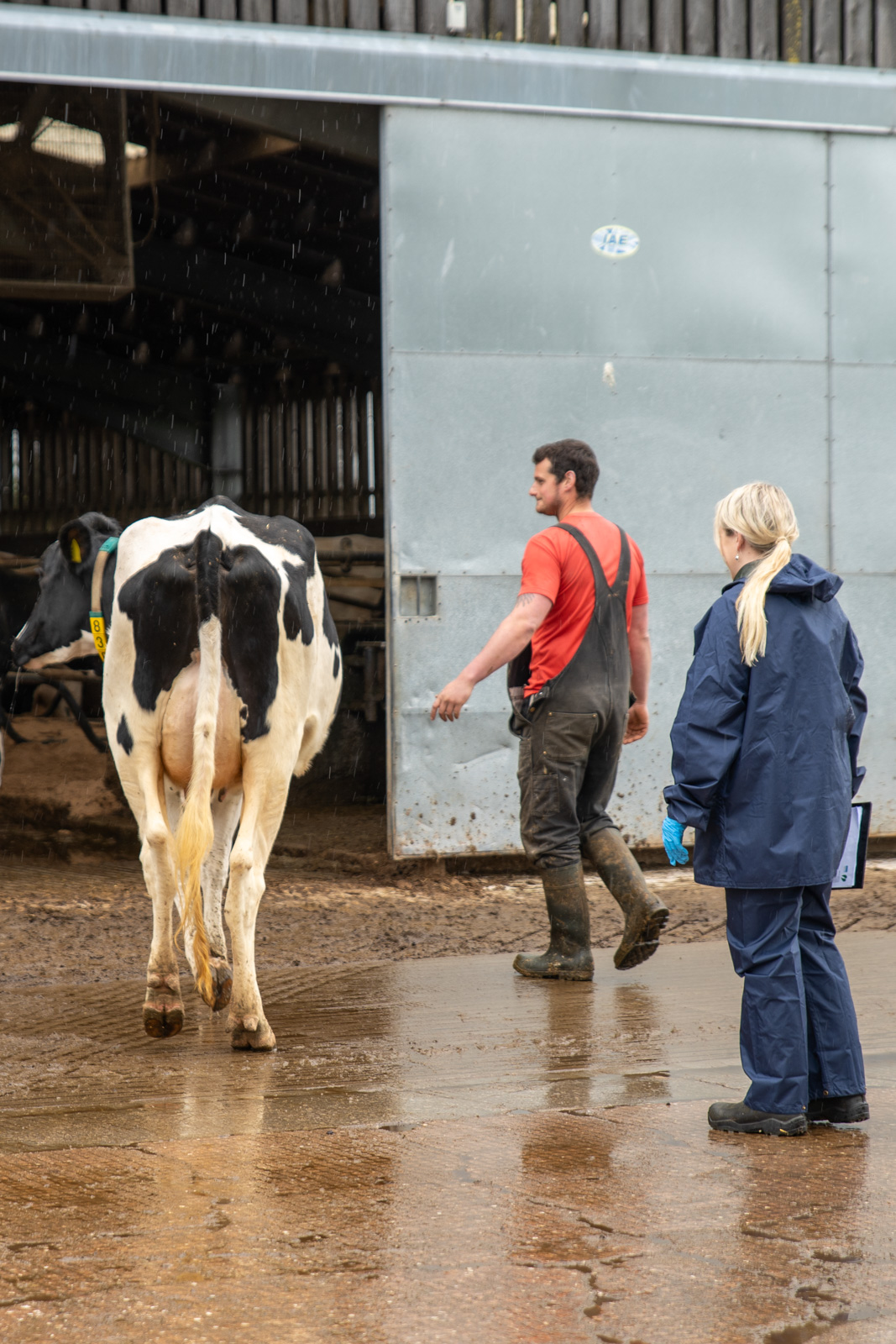
Cattle Handling Training
Our trusted and essential cattle handling course is designed to support the development of a high-welfare, stress-free handling culture that improves cow flow, staff safety, productivity, and overall livestock wellbeing.
Calm cattle. Confident people. No compromise on welfare.
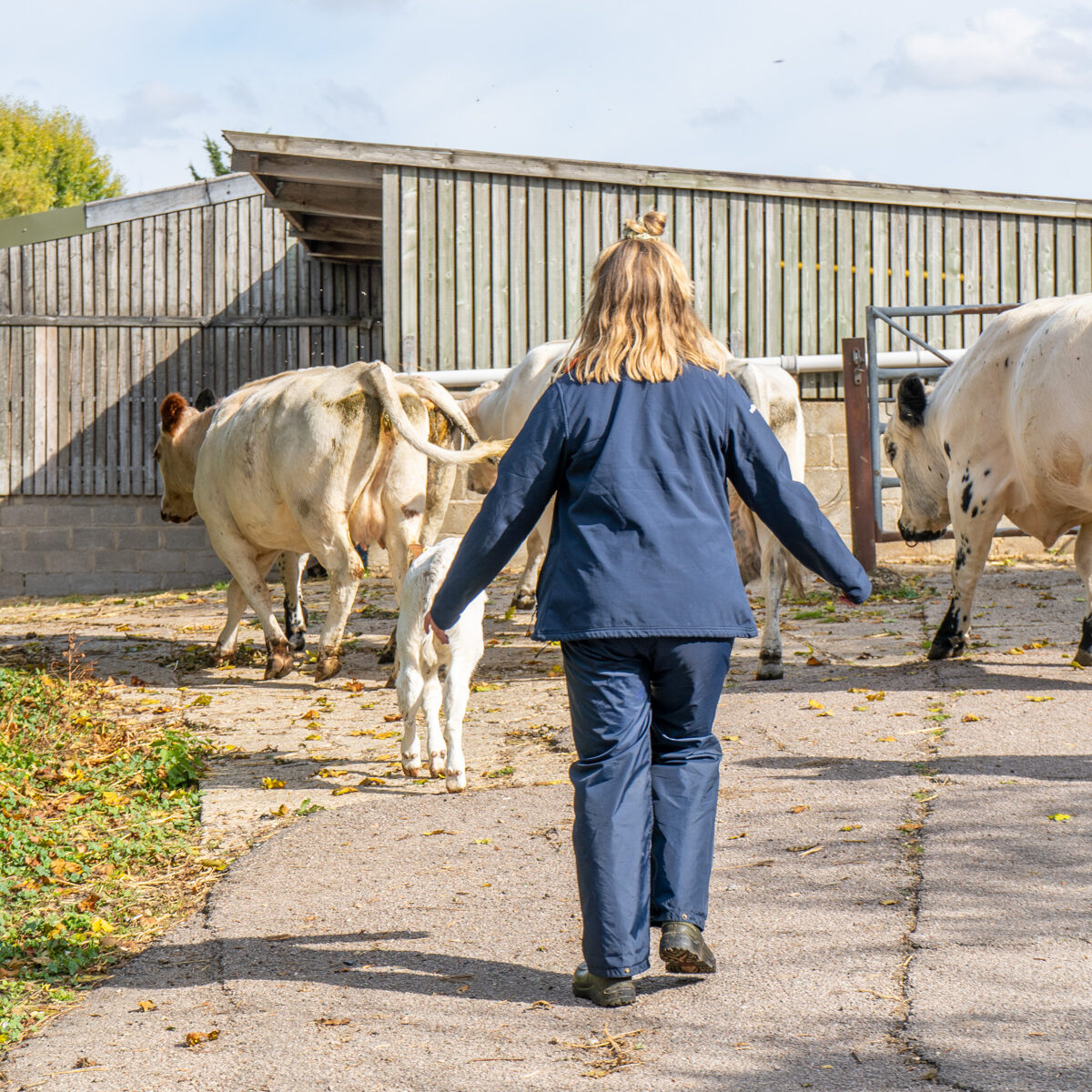
Handling you would be proud for anyone to see.
Good stockmanship has always been at the heart of dairy farming, and calm, careful handling is part of that.
This practical workshop is designed for all farm staff handling cattle.
Its purpose is to support the development of a high-welfare, stress-free handling culture that improves cow flow, staff safety, productivity, and overall livestock wellbeing.
What do our cattle handling courses cover?
We can tailor the course content to reflect your business objectives and the needs of your team, while ensuring that the following essential topics are covered:
Recognise acceptable and unacceptable handling.
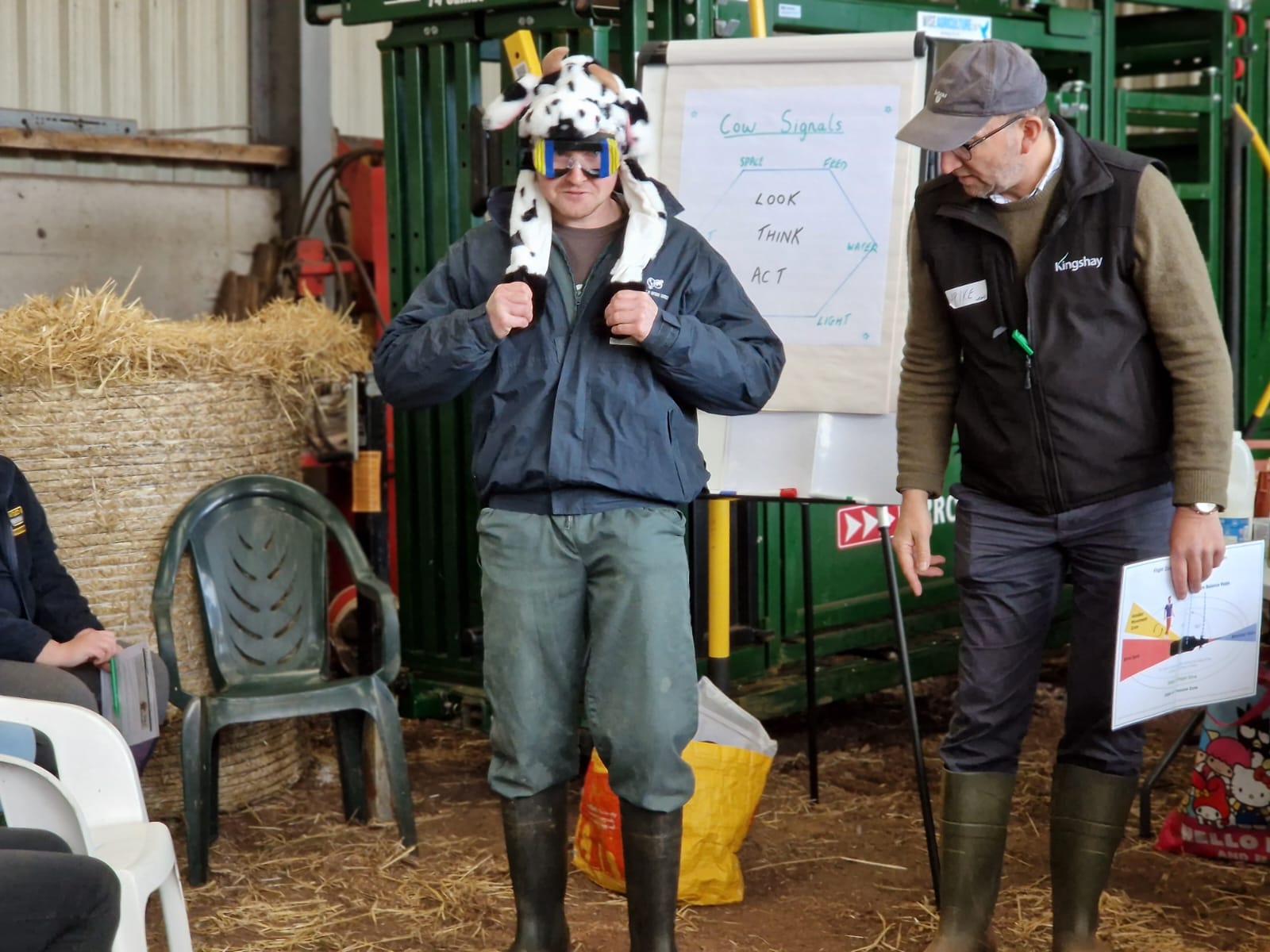
- Explore how cows perceive the world through their senses, including sight, hearing, smell, and sensitivity to movement.
- Understand how cattle use panoramic vision and identify blind spots and depth perception challenges that influence movement.
- Position yourself safely and effectively around cattle using knowledge of their visual field and behaviour.
- Recognise environmental factors such as shadows, sudden light changes, noise, and clutter that can cause hesitation or stress.
- Apply calm, quiet and stress free handling techniques to reduce fear, minimise startle responses, and improve cattle flow.
Defuse tense situations and work safely.
- Understand flight zone, pressure zone, and point of balance to move cattle safely.
- Apply position and movement techniques to move cattle safely and effectively in different handling situations.
- Recognise and interpret cattle body language, including head posture, ear position, tail carriage, and other behavioural indicators.
- Anticipate how factors such as age, breed, and previous experience can affect cattle behaviour and potential handler risk.
Recognise acceptable and unacceptable handling.
- Understand how facility design, including race layout, solid sides, lighting, and crush positioning, influences cattle movement and behaviour.
- Identify environmental factors (shadows, noise, clutter) that can cause cattle to hesitate or panic.
- Identify features that can improve cattle flow, reduce hesitation, and minimise stress during handling.
- Assess handling facilities for safety risks, including flooring, gates, equipment setup, and yard design.
- Recommend practical improvements to handling systems that enhance cattle welfare, operator safety, and operational efficiency.
Spot and fix stress points in yards, races and crushes.
- Understand why understanding cattle behaviour is essential for improving farm safety, animal welfare, and productivity.
- Recognise the benefits of calm, low-stress handling for cattle welfare, milk production, and handler safety.
- Apply knowledge of cattle behaviour and learning to support the effective training and handling of young or inexperienced animals.
- Understand what constitutes unacceptable cattle handling and develop the communication skills and confidence to challenge poor practice effectively and professionally.
Move cattle calmly using their flight zone and point of balance.
- Recognise early signs of agitation, stress, or aggression in cattle and respond appropriately to reduce risk.
- Apply calm, patient handling techniques that avoid rushing, shouting, or excessive force, improving safety and animal welfare.
- Create positive handling experiences that build trust and support safer, lower-stress cattle management over the long term.
- Conduct safe handling risk assessments, including planning escape routes and working safely in confined spaces.
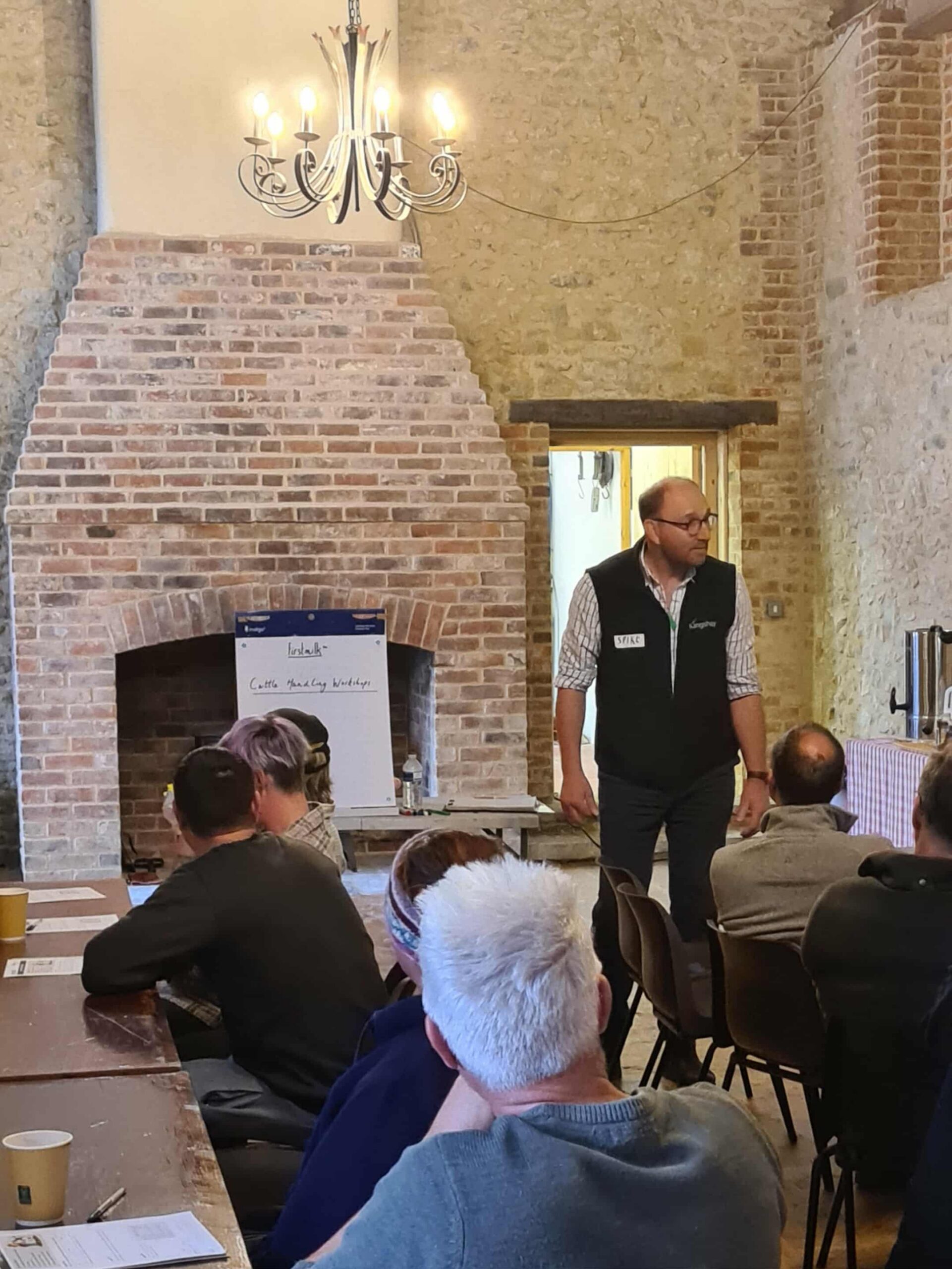
Why choose our cattle handling course?
We understand that good cattle handling means happy cows, safer people, and a stronger reputation. Here are just a few points that make our cattle handling course stand out from the rest:
- Led by farm vets/animal behavior specialists
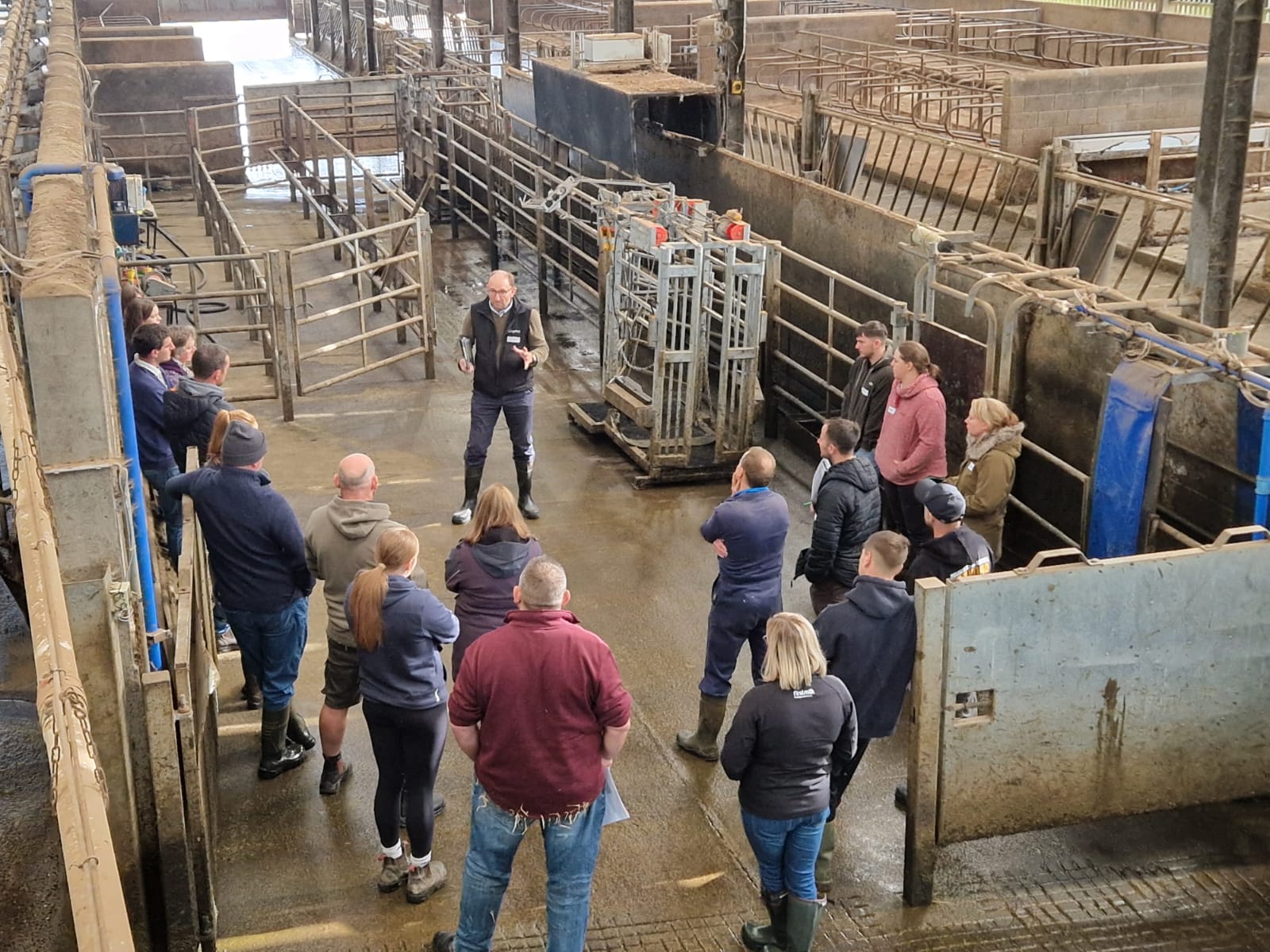
- Hands-on, no PowerPoints
- Work through real handling scenarios on farm to find practical solutions
- Flexible – suitable for all experience levels
- Available for farmer groups or tailored to a specific farm team.
We know that its the people that make the difference.
We look at the human factors behind handling: stress, habits and communication to build a supportive culture where everyone feels safe to speak up if something isn’t right.
Good, stress free handling means happy cows, safer people, and a stronger reputation.
Find out more…
Ready to develop safer, more effective cattle handling practices?
Contact us to discuss your objectives and arrange training for you and your team. Our experienced trainers will work with you to deliver practical, hands-on learning that improves confidence, supports animal welfare and promotes best practice across your business.
Contact us
Whatever your challenges, from practical to strategic, Kingshay have the expertise to help you get the best from your farm.