
Publications
Our publications provide up-to-date knowledge and practical solutions to everyday challenges to meet the needs of the modern dairy farmer.
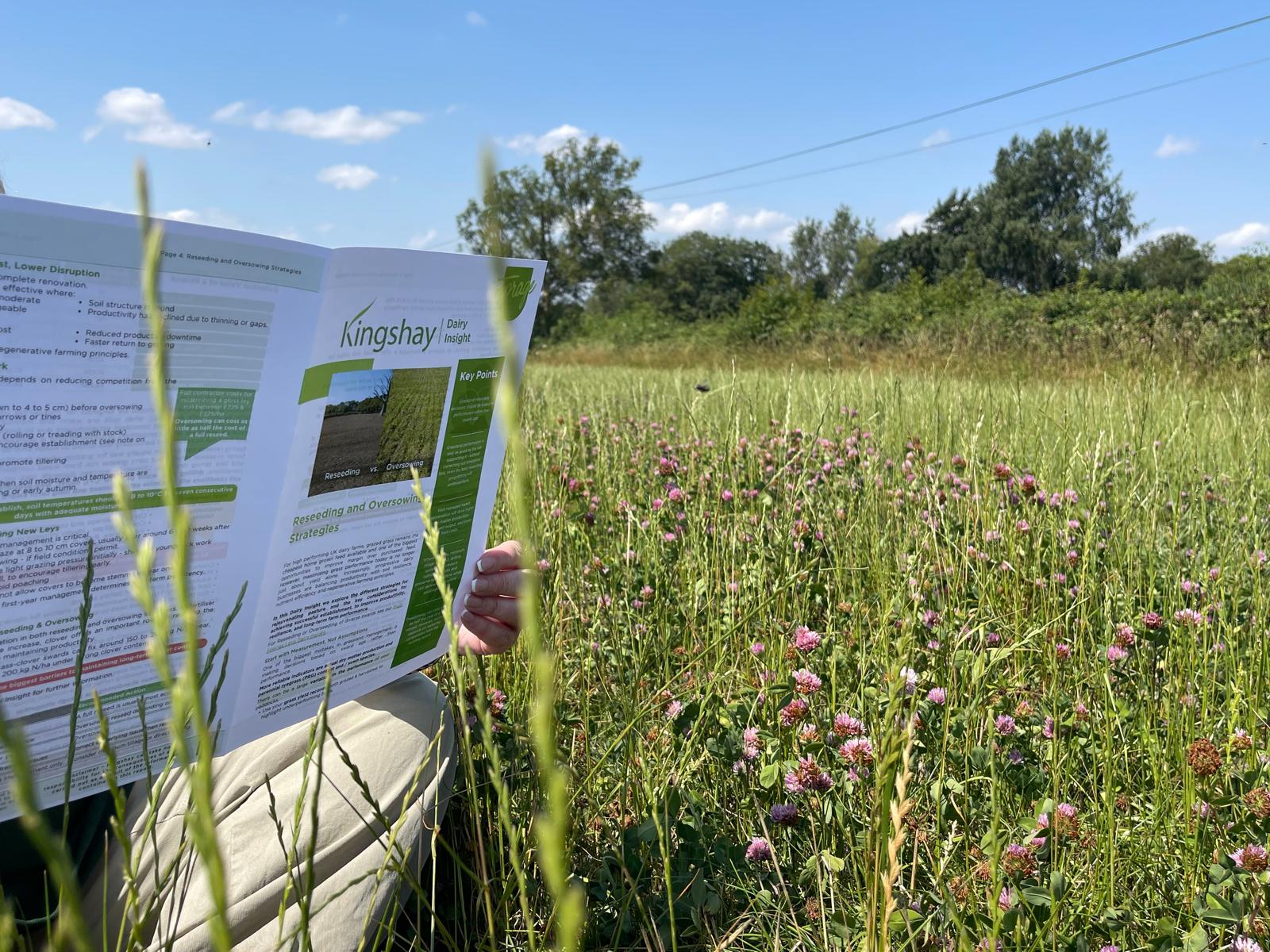
Kingshay Dairy Insight Publications
Stay one step ahead with Kingshay’s trusted Insight publications. Practical, expert-led briefings designed for modern dairy farming businesses. Produced since 1991, our concise, easy-to-digest updates deliver the knowledge you need to improve performance, strengthen your business, and support your whole farm team.
Our Insight publications cover all key areas of dairy farming, bringing together technical, research and business information, into clear, actionable advice you can use on farm. Alongside this, our monthly checklist provides timely reminders of essential tasks and highlights important policy changes, helping you stay organised and in control throughout the year.
Written and regularly updated by our specialists, each publication delivers clear, relevant advice in a simple format – ideal for farmers, family members, staff, vets and consultants alike.
A selection of our publications are available to purchase individually here online. To unlock the full library of publications and stay consistently informed, join our community, become a Kingshay member today.

Sign in to download the publications included with your membership, or to purchase a copy.
-

Dairy Insight
Maintaining Hedgerows for Biodiversity
In February the Government announced they were adding 6 new SFI (Sustainable Farming Incentive) Standards during 2023. A Hedgerow Standard has been included in the scheme which aims to help the government progress towards their environment and climate goals. This insight explores the government aims for hedgerows, the grants available under Countryside Stewardship (CS) and the new SFI Hedgerow Standard and what they could mean for your hedgerow management.
-
Dairy Insight
Urea VS. Ammonium Nitrate
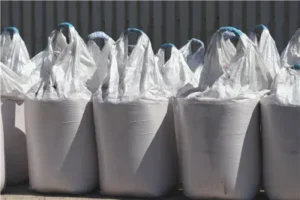
Urea fertiliser can be a cost-effective alternative to ammonium nitrate (AN) in some circumstances. However, a recent government consultation has cast doubt on its future role in agriculture following concerns over its contribution to ammonia emissions. Until decisions are made on its future, there are steps farmers can take to optimise its use and reduce environmental risk. This DAIRY insight explores the use of Urea as a source of nitrogen fertiliser.
-
Dairy Insight
Optimising Fertiliser Use
The costs of ammonium nitrate and urea have more than doubled in the last year, taking prices to over £500 and £600 per tonne respectively. Optimising fertiliser use should therefore be at the forefront of every farmer's mind. With grass being the cheapest feed on the farm, paying attention to detail for efficient production is crucial to maximising margins. This DAIRY insight explores what you can do on your farm to ensure soils are working well, organic manures are used efficiently and fertiliser plans are carefully calculated to make the best use of costly fertilisers.
-
Dairy Insight
Benchmarking Soil Organic Carbon
Soil Organic Carbon (SOC) has become a bit of a buzz word in the industry. This may have prompted you to investigate the SOC within your own soils, or it may be something that you are considering. After all, if you put aside the current interest in carbon from an environmental angle, farmers ought to be focussed on maintaining or increasing the carbon in their soils, from the standpoint that soils with a high level of carbon are healthy soils – all the more reason to understand the SOC levels in your soils. In this DAIRY insight we look at interpreting your SOC analysis and using the results to benchmark your soil, to help you make informed decisions on how to maintain or improve SOC going forward.
-
Dairy Insight
Measuring Soil Organic Carbon
In order to achieve Net Zero by 2040, British Farming needs to capture more carbon (C). Hedgerows, woodland and soils have all been identified as key areas for C-sequestration (permanent removal of C from the atmosphere). Grassland has a major role to play, because unlike woodland, where the majority of C is stored in the vegetation, as much as 90% of the C in pasture is located in the soil. In this DAIRY insight we look at why you might want to measure your soil organic carbon (SOC), what analysis is available, taking an accurate soil sample and what else you might want to measure.
-
Report
Soil – Completing the Carbon Jigsaw
This Soil Carbon Report, 'Soil – completing the carbon jigsaw' combines the key findings from the Kingshay Soil Organic Carbon Project, alongside other research and knowledge. The aim of the project was to better understand the current soil organic carbon (SOC) levels of grassland soils and gain a better knowledge of carbon sequestration and how management practices on farm may influence carbon levels. It is intended to be a practical guide for farmers who want to improve or maintain soil organic carbon in their grassland soils. This report will help farmers to understand how they can play their part in climate change mitigation whilst improving the health of their soil, having a positive impact on their profitability.
-
Dairy Insight
Regenerative Farming
In recent years, the term Regenerative Farming has become more widespread in its use. This interest has not only been within the industry, but regenerative agriculture has also received attention from consumers, mainstream media and even politicians, particularly around the possibilities for positive impact on climate change. As such, it should not be ignored. In this DAIRY insight we look at what regenerative farming is, and what practices can be adopted on-farm for a sustainable profitable future.
-
Dairy Insight
Reducing Nitrogen Losses; On-Farm Solutions
This is the second in the 2-part series of publications covering Nitrogen. In this publication we look at the on-farm solutions to reduce nitrogen losses. The first publication provides an introduction to the Nitrogen Cycle and where nitrogen is lost in the system. The agricultural industry will shortly be operating under a new regulatory framework focusing on producing clean air, water, lower carbon emissions, as well as supplying food to feed the nation. Nitrogen helps greatly to feed the nation, but its effect on air and water quality can be negative and difficult to manage. Applying too much or the wrong type of fertiliser can lead to an increase of Nitrogen losses through Ammonia (NH3) volatilization, nitrate (NO3?) leaching and nitrous oxide (N2O) emissions from soil.
-
Dairy Insight
Introduction to Nitrogen the problems
This is the first part of a 2-part series of publications covering Nitrogen. In this publication we look at the Nitrogen Cycle and where nitrogen is lost in the system. The second publication examines the on-farm solutions to nitrogen losses. The agricultural industry will shortly be operating under a new regulatory framework focusing on producing clean air, water, lower carbon emissions, as well as supplying food to feed the nation. Nitrogen helps greatly to feed the nation, but its effect on air and water quality can be negative and difficult to manage. Applying too much or the wrong type of fertiliser can lead to an increase of Nitrogen losses through Ammonia (NH3) volatilization, nitrate (NO3?) leaching and nitrous oxide (N2O) emissions from soil.
-
Dairy Insight
Agroforestry
Agroforestry is increasingly being talked about as a means of helping agriculture meet net zero targets, with DEFRA planning to support farmers with the integration of trees as part of Environmental Land Management and Wales proposing 10% tree cover as part of The Sustainable Farming Scheme. Although the details are not yet known, getting ahead of the curve and working out how trees can fit into a dairy farming system could bring big benefits, extending to animal health & welfare and farm productivity. This Dairy Insight explores the different types of agroforestry that are available and takes a look at how you can incorporate trees into your dairy system.
-
Dairy Insight
The Carbon Neutral Dairy Farm of 2040
This is the fifth in a series of DAIRY insight publications covering 'Net Zero Emissions', where we aim to outline current and future actions that may help the UK dairy industry become net zero emissions by 2040.
-
Dairy Insight
Net Zero Emissions – Nitrogen Oxides
This is the fourth in a series of dairy insight publications covering 'Net Zero Emissions', where we will attempt to identify the sources of each GHG, how it may be reduced and aim to outline current and future actions that may help the UK dairy industry become net zero emissions by 2040. On dairy farms nitrogen oxides are produced almost entirely by the way we store and spread manures and fertilisers and the ability of our soils to manage water flow. This DAIRY insight explores practical ways to mitigate these gases.

Find out how Kingshay can help you and your farming business.
Kingshay have been supporting farmers and providing clarity to farming businesses and the wider industry since 1991.