

Publications
Our publications provide up-to-date knowledge and practical solutions to everyday challenges to meet the needs of the modern dairy farmer.
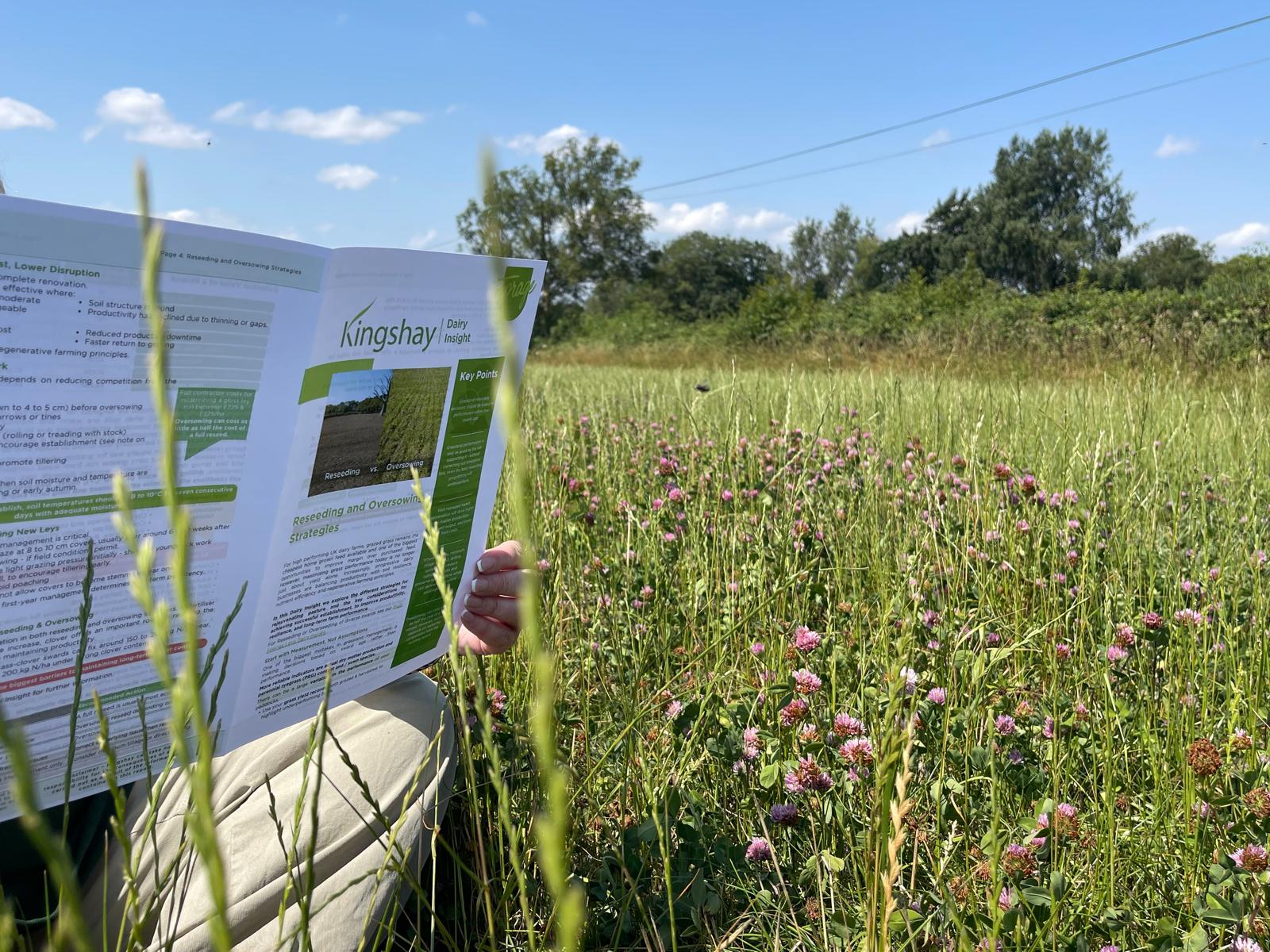
Kingshay Dairy Insight Publications
Stay one step ahead with Kingshay’s trusted Insight publications. Practical, expert-led briefings designed for modern dairy farming businesses. Produced since 1991, our concise, easy-to-digest updates deliver the knowledge you need to improve performance, strengthen your business, and support your whole farm team.
Our Insight publications cover all key areas of dairy farming, bringing together technical, research and business information, into clear, actionable advice you can use on farm. Alongside this, our monthly checklist provides timely reminders of essential tasks and highlights important policy changes, helping you stay organised and in control throughout the year.
Written and regularly updated by our specialists, each publication delivers clear, relevant advice in a simple format – ideal for farmers, family members, staff, vets and consultants alike.
A selection of our publications are available to purchase individually here online. To unlock the full library of publications and stay consistently informed, join our community, become a Kingshay member today.

Sign in to download the publications included with your membership, or to purchase a copy.
-

Dairy Insight
Composting Farmyard Manure Dairy Insight
This Dairy Insight publication focuses on composting organic materials produced on the farm and does not cover green waste composting.
-
Dairy Insight
Safe Handling & Storage of Fertilisers Dairy Insight
This Dairy Insight focuses on best practice and regulations for the safe and secure storage and handling of fertilisers on farm, helping to protect your personal safety, ensure health and safety in the workplace, and prevent theft.
-
Dairy Insight
Slurry Additives Dairy Insight
Each year, the UK generates 83 million tonnes of livestock waste, with cattle accounting for 80% of this total. Of that, 47% is slurry – meaning farmers must manage over 32 million tonnes of cattle slurry annually. It's important to recognise that slurry is not a naturally occurring product. At grazing, cattle produce separate manure and urine, and it is only when these mix, they contribute to significant environmental challenges, including methane, ammonia, and hydrogen sulphide emissions.
-
Dairy Insight
Liming Workbook
This workbook brings together the technical concepts introduced in the following insight publications: • Boost Your Soil's Power: Understanding Cation Exchange Capacity. • Beyond pH: The Role of Base Saturation in Soil Health Cation Exchange • Soil pH and Liming – it's not all about Calcium! and provides a practical guide to choosing the right liming product and applying it at the correct rate for your soil.
-
Dairy Insight
Soil pH and Liming
The pH status of a soil plays a hugely important role with plant growth and the nutrient content of the plant. Incorrect pH will affect the availability of soil nutrients. This can result in lower crop or forage yield, poorer quality forage and potentially reduced intakes, leading to increased feed costs. This Dairy Insight explores soil pH and the factors that influence it. It aims to challenge current practices and offer new perspectives on achieving optimal nutrient levels in grassland soils.
-
Dairy Insight
Beyond pH The Role of Base Saturation in Soil Health
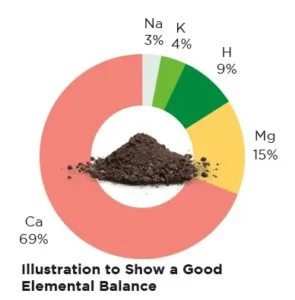
Soil chemistry plays a critical role in soil health by influencing nutrient availability, pH balance, and the overall environment for micro-organisms, which are essential for maintaining soil structure and biology. For dairy farmers, understanding and managing soil chemistry in conjunction with soil structure and biology is vital for sustaining soil fertility, optimising forage production, and ultimately enhancing farm profitability and long-term sustainability. This Dairy Insight explores the concept of base saturation, its importance in soil health, and how it complements and enhances your understanding of soil pH.
-
Dairy Insight
Maximise Soil and Fertiliser Value
In 2018, the Farming Rules for Water, also known as the Reduction and Prevention of Agricultural Diffuse Pollution (England) regulations 2018, was introduced in England, its aim was that farmers who carefully planned manure and fertiliser applications (not exceeding crop and soil requirements), could prevent diffuse pollution following application. This Dairy Insight serves as a guide for you to get the full value from both your soils and fertilisers. Additionally, it provides an overview of the rules and helps you understand how to comply with them.
-
Dairy Insight
Soil Sampling Testing and Analysis
Soils are arguably the most valuable resource on farm – but often taken for granted. Without healthy soils farming is neither profitable nor sustainable. Healthy soils combined with sound forage/crop management are essential in all livestock production systems. By prioritising soil health and implementing appropriate soil management practices, dairy farmers can ensure the long-term productivity and sustainability of their operations while safeguarding the environment.
-
Dairy Insight
Analysing slurry and manure
Slurries and farm yard manures represent a hugely valuable and often under utilised resource on many dairy farms. Understanding their nutrient values could help reduce reliance on bought in fertiliser and save money.
-
Dairy Insight
Slurry Storage Options
Restrictions on winter slurry spreading to prevent pollution and the greater need to make more efficient use of farm nutrients because of rising fertiliser costs means all dairy farmers should be thinking about whether their slurry storage is optimised. The fact grants for six months' worth of covered storage should become available later this year also means it's an area well worth considering. This dairy insight is designed to be read alongside Slurry Storage – Covers.
-
Dairy Insight
Urea VS. Ammonium Nitrate
Urea fertiliser can be a cost-effective alternative to ammonium nitrate (AN) in some circumstances. However, a recent government consultation has cast doubt on its future role in agriculture following concerns over its contribution to ammonia emissions. Until decisions are made on its future, there are steps farmers can take to optimise its use and reduce environmental risk. This DAIRY insight explores the use of Urea as a source of nitrogen fertiliser.
-
Dairy Insight
Nitrogen For Grass Part 1
Dramatically reducing nitrogen application rates in an attempt to save costs in light of escalating fertiliser prices could potentially be a false economy compromising forage production and feed costs. Instead, the focus should be on understanding and making the most of home-produced nutrients, together with targeted, early application of nitrogen to achieve the biggest return on investment. This dairy insight explores the benefits of nitrogen for grass and how to apply.


Find out how Kingshay can help you and your farming business.
Kingshay have been supporting farmers and providing clarity to farming businesses and the wider industry since 1991.