
Publications
Our publications provide up-to-date knowledge and practical solutions to everyday challenges to meet the needs of the modern dairy farmer.
Kingshay Dairy Insight Publications
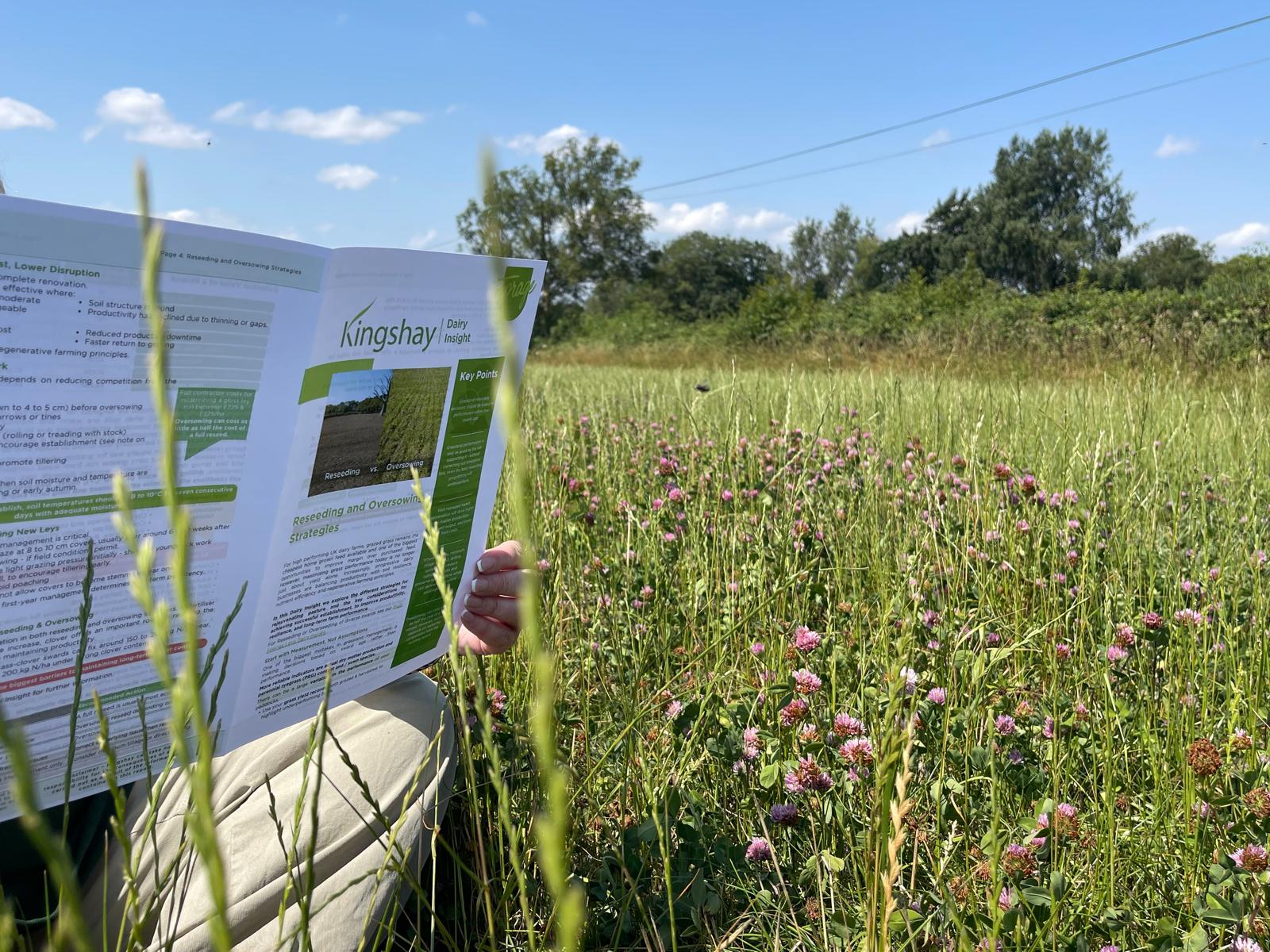
Stay one step ahead with Kingshay’s trusted Insight publications. Practical, expert-led briefings designed for modern dairy farming businesses. Produced since 1991, our concise, easy-to-digest updates deliver the knowledge you need to improve performance, strengthen your business, and support your whole farm team.
Our Insight publications cover all key areas of dairy farming, bringing together technical, research and business information, into clear, actionable advice you can use on farm. Alongside this, our monthly checklist provides timely reminders of essential tasks and highlights important policy changes, helping you stay organised and in control throughout the year.
Written and regularly updated by our specialists, each publication delivers clear, relevant advice in a simple format – ideal for farmers, family members, staff, vets and consultants alike.
A selection of our publications are available to purchase individually here online. To unlock the full library of publications and stay consistently informed, join our community, become a Kingshay member today.

Sign in to download the publications included with your membership, or to purchase a copy.
-

Dairy Insight
Concrete Grooving Dairy Insight
Flooring in and around cattle housing, collecting yards and parlours needs to be durable, hygienic and cost effective. Providing ease of cleaning, good slip resistance, and encourage good locomotion. Concrete is the most common material, meaning that cows spend much of their time standing and walking on concrete surfaces. In this Dairy Insight we explore the issues with concrete flooring and take a closer look at the benefits of good concrete grooving to improve claw health and cow behaviour.
-
Dairy Insight
Grazing on Robots
Regardless of system type or grazing aims, with the right mentality it is possible to graze cows whilst milking through robots. In doing so, farmers could realise the benefits of a high-tech system, lower costs by getting more from grazed grass, and benefit cow performance and welfare. The key is to put the right infrastructure in place and focus on grass quality to drive robot visits. This Dairy Insight explores the potential benefits of rethinking your perspective on robots. We discuss the steps involved in adapting your farming system to accommodate grazing alongside an automatic milking system (AMS), outline some possible grazing systems suitable for AMS, and highlight key considerations before initiating your transition to grazing with robots.
-
Dairy Insight
Slurry Additives Dairy Insight
Each year, the UK generates 83 million tonnes of livestock waste, with cattle accounting for 80% of this total. Of that, 47% is slurry – meaning farmers must manage over 32 million tonnes of cattle slurry annually. It's important to recognise that slurry is not a naturally occurring product. At grazing, cattle produce separate manure and urine, and it is only when these mix, they contribute to significant environmental challenges, including methane, ammonia, and hydrogen sulphide emissions.
-
Dairy Insight
Milk from Forage Part 5
Producing good quality forage is key to the profitability of livestock production systems. Preserving forage for later use is expensive and losses can occur at every stage, from field to the time that it is fed. Some are unavoidable, whist others can be reduced by good management. Minimising the losses in nutritional value through good silage making practice will not only save money and produce cheaper milk but also help to maintain the health of your livestock. This is the fifth publication in the 'Milk from Forage' Dairy Insight series, focusing on producing the highest quality grass silage.
-
Dairy Insight
Is Maize Still Right for You?
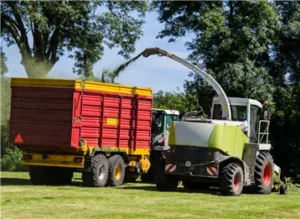
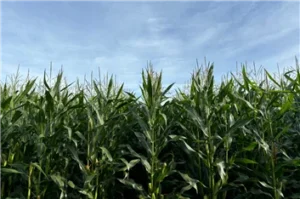
Maize can be a very valuable and productive crop, however, are you creating unnecessary environmental risks at maize harvest or consistently not hitting yield targets? If so, it's time to make some changes. Take the time to review and improve your growing strategy or question whether alternative crops may be better suited to your farm.
-
Dairy Insight
Milk from Forage Part 4
When evaluating milk production from forage for housed cows, several cow-related factors come into play. Understanding these factors is crucial for optimising forage-based feeding strategies, improving milk yields, and ensuring sustainable dairy farming practices in housed systems or during the housing period. This Dairy Insight is the fourth in the series of publications exploring milk from forage. It is dedicated to the cow aspects of maximising milk from forage whilst housed.
-
Dairy Insight
Grazing Management and Infrastructure
This is the third publication in our 'Achieving Milk from Forage Series'. It is designed in a workbook format, so that it can be used as a quick guide to highlight any opportunities for change to increase your milk from forage. It looks at how it is not essential to change system completely to increase your milk from grazing and how changing one thing could increase your net profit.
-
Dairy Insight
Rumen Health and Rumen Acidosis
The rumen is a complex fermentation vat which, through muscular contractions and a careful balance of microorganisms, breaks down the plant cell walls into volatile fatty acids and then passes the semi-digested feed on to the rest of the digestive tract. This Dairy Insight explores the importance of monitoring rumen function with particular reference to acidosis and highlights how and early corrective treatment can improve overall herd performance.
-
Dairy Insight
Preparing for Environment Agency (EA) Inspections
The Environment Agency (EA) is continuing to ramp up on-farm visits following a drive to recruit new inspectors, leading many farmers to confront the consequences of non-compliance. While the repercussions are typically not punitive, the required actions to meet regulatory standards can be extensive. This Dairy Insight explores the proactive measures farmers can take in readiness for impending EA inspections to facilitate both environmental stewardship and business viability.
-
Dairy Insight
Slurry Storage Rules & Regulations
Fulfilling legal requirements for sufficient slurry storage could facilitate better use of farm nutrients, which could benefit both the environment, and your back pocket. And with various rounds of grant funding in the pipeline – and storage requirements up for review – there's arguably never been a better time to future-proof your storage. This Dairy Insight delves into the minimum slurry storage requirements for farms, discusses storage requirement calculations and key considerations for new stores.
-
Dairy Insight
Simple Parlour Checks
Are cows fidgeting during milking? Are liners slipping? Do you have a lot of 'slow milkers'? It's these types of observations that should form part of everyday parlour checks to establish if your set-up is working effectively; to ensure the health and well-being of the dairy herd, the quality of milk produced, and the overall efficiency of the milking process. Including: • Cow Health Monitoring • Milk Quality Assurance • Equipment Maintenance • Hygiene and Sanitation
-
Dairy Insight
Methane Reducing Feed Additive, Mootral Ruminant Dairy Insight
In the UK, agriculture is responsible for an estimated 11% of total greenhouse gas (GHG) emissions, 58% of which comes from methane. Enteric fermentation from ruminant livestock is the most significant source of these methane emissions. The use of methane inhibitors in the ration can also have a significant impact on methane production. This Research Insight explores a field study conducted by Mootral in collaboration with Kingshay, to explore the impact of feeding Mootral Ruminant on commercial dairy farms.



Find out how Kingshay can help you and your farming business.
Kingshay have been supporting farmers and providing clarity to farming businesses and the wider industry since 1991.