

Publications
Our publications provide up-to-date knowledge and practical solutions to everyday challenges to meet the needs of the modern dairy farmer.
Kingshay Dairy Insight Publications
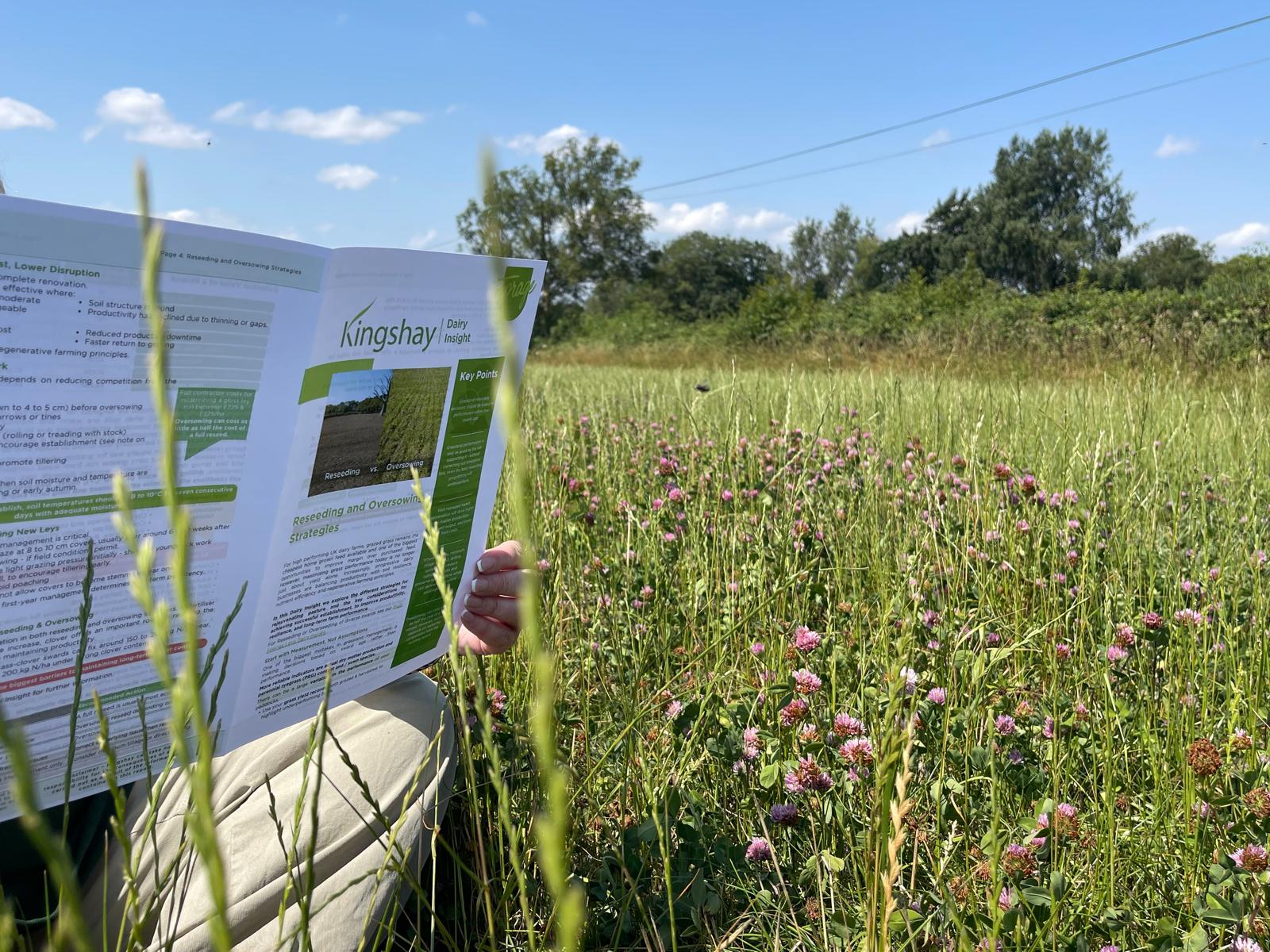
Stay one step ahead with Kingshay’s trusted Insight publications. Practical, expert-led briefings designed for modern dairy farming businesses. Produced since 1991, our concise, easy-to-digest updates deliver the knowledge you need to improve performance, strengthen your business, and support your whole farm team.
Our Insight publications cover all key areas of dairy farming, bringing together technical, research and business information, into clear, actionable advice you can use on farm. Alongside this, our monthly checklist provides timely reminders of essential tasks and highlights important policy changes, helping you stay organised and in control throughout the year.
Written and regularly updated by our specialists, each publication delivers clear, relevant advice in a simple format – ideal for farmers, family members, staff, vets and consultants alike.
A selection of our publications are available to purchase individually here online. To unlock the full library of publications and stay consistently informed, join our community, become a Kingshay member today.

Sign in to download the publications included with your membership, or to purchase a copy.
-

Dairy Insight
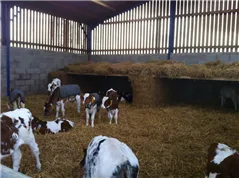
Optimising Calf Health & Performance
Mortality statistics show that the first three months of a calf's life are pivotal when it comes to overall survival. This Dairy Insight looks at ensuring a healthy start for your calves and explores solutions for you, when things do go wrong.
-
Dairy Insight
Simple Parlour Checks
Are cows fidgeting during milking? Are liners slipping? Do you have a lot of 'slow milkers'? It's these types of observations that should form part of everyday parlour checks to establish if your set-up is working effectively; to ensure the health and well-being of the dairy herd, the quality of milk produced, and the overall efficiency of the milking process. Including: • Cow Health Monitoring • Milk Quality Assurance • Equipment Maintenance • Hygiene and Sanitation
-
Dairy Insight
Scours Prevention in the Neonatal Calf Dairy Insight
All farmers should take scours prevention seriously considering it accounts for more than half of calf deaths in the UK and is preventable through good hygiene and immunity management. Kingshay Costings show it now costs £1,761 to rear a heifer to calve in at a target 24 months – a 14% increase on December 2021. With this in mind, farmers can ill afford any drop in growth rates caused by a case of scours, which could increase rearing times and associated costs and negatively affect a farm's carbon footprint. Calves that experience scours are also more likely to succumb to other diseases such as pneumonia. This Dairy Insight explores the causes of calf scours and shares practical tips on prevention.
-
Dairy Insight
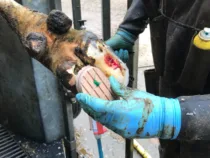
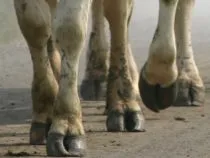
Lameness Part 3: Prevention
This publication is the third in the series of three Dairy Insight publications exploring lameness in dairy cows. Lameness in dairy herds remains one of the biggest health costs (estimated at £11,057 per 100 cows), with the implications of a case of lameness reaching far beyond the costs of treatment, time and reduced yield. Prevention is better than cure!
-
Dairy Insight
Lameness Part 2 Treatment
This publication is the second in a series of three Dairy Insight publications exploring lameness in dairy cows. A case of lameness has a significant impact on the wellbeing and the productivity of the cow. Pain causes them to lie down for longer, feeds more infrequently and has reduced oestrus signals. Lame cows are lame because it is painful. This is an important welfare consideration, and it is critical that the lame cow is treated promptly and appropriately once she has been identified.
-
Dairy Insight
Lameness Part 1: Identification
This publication is the first in a series of three Dairy Insight publications exploring lameness in dairy cows. Lameness in dairy herds remains one of the biggest health costs, with the implications of a case of lameness reaching far beyond the costs of treatment, time and reduced yield. The estimated cost per average herd is £11,057.
-
Dairy Insight
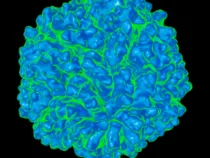
Blue Tongue Dairy Insight
Blue tongue is a viral disease caused by infection by the blue tongue virus (BTV – a member of the Reoviridae family). The virus is transmitted by biting midges of the Culicoides species, meaning there is no risk from direct contact with infected animals. It can infect all ruminant species; cattle, camelids, deer, goats and sheep. BTV is not a zoonotic disease so poses no threat to human health. This Dairy Insight explores the virus, how it is spread and how you can reduce the risk on your own farm.
-
Dairy Insight
Calf Housing – Social Contact
The costs of rearing dairy replacements is estimated to be between £1,546 and over £2,170 depending on the age at first calving (see Youngstock Rearing Costs Dairy Insight). This accounts for between 10 to 20% of dairy enterprise costs (according to Kingshay's Profit Manager figures). With these costs ever increasing, it is as important as ever to have a highly efficient rearing system. After all, heifer calves are the future of most dairy herds and you don't get a second chance to get it right. Whilst the impacts of early life nutrition on cow productivity are well understood, the impact of other life experiences is not so well recognised. This Dairy Insight explores the effects of social contact on calves and the lasting effects into adulthood.
-
Dairy Insight
Cattle Health Certification Schemes
Cattle health schemes are designed to help farms monitor and eliminate the six most important endemic diseases, which are prevalent in the UK and are costing many thousands of pounds on individual farms. There are several licensed schemes available, and these are regulated and overseen by the Cattle Health Certification Standards (CHECS). This Dairy Insight explores the benefits of health schemes to monitor and eliminate diseases on your farm.
-
Dairy Insight
Calf Housing The Ambient Environment
Get the ambient environment right in a calf building and you'll be rewarded with healthy, well-grown animals. Get it wrong, and you could be facing an uphill battle. That's why it's essential that all buildings – new or existing – are set up to provide calves with a dry, clean environment with plenty of fresh air, but no draughts. This Dairy Insight explores the ambient environment of calf buildings and how you'll be rewarded with healthy, well-grown animals, setting them up for their life in the dairy herd.
-
Dairy Insight
The Rise of Mycoplasma bovis
Mycoplasma bovis (M. bovis) has been recognised for over 50 years as a pathogen in cattle. It is associated with bovine respiratory disease (BRD) and joint ill in calves, and mastitis and arthritis in adult cattle. The costs to the UK dairy industry are unknown, however farms costs can be significant in the form of reduced growth rates, reduced milk production, cattle deaths and veterinary costs. Recently the disease has become more widely diagnosed. This insight publication explores the M. bovis bacteria, modes of transmission as well as treatment and prevention.
-
Dairy Insight
Johne’s Disease
(Pronounced "yo-knees" or in some regions of the UK – John's) Johne's disease or JD is a chronic enteritis of cattle (and sheep) caused by Mycobacterium avium subspecies paratuberculosis or MAP. The bacteria infect the lining of the intestines and reduce its capacity to absorb fluid and nutrients. The main clinical signs of JD are progressive weight loss and chronic green bubbly diarrhoea. Due to regular screening and culling of MAP infected cattle, clinical Johne's disease is rarely seen on farm. This Insight publication looks at the spread of Johne's on farm and what measures can be introduced to reduce or eliminate the risks.


Find out how Kingshay can help you and your farming business.
Kingshay have been supporting farmers and providing clarity to farming businesses and the wider industry since 1991.