
Publications
Our publications provide up-to-date knowledge and practical solutions to everyday challenges to meet the needs of the modern dairy farmer.
Kingshay Dairy Insight Publications
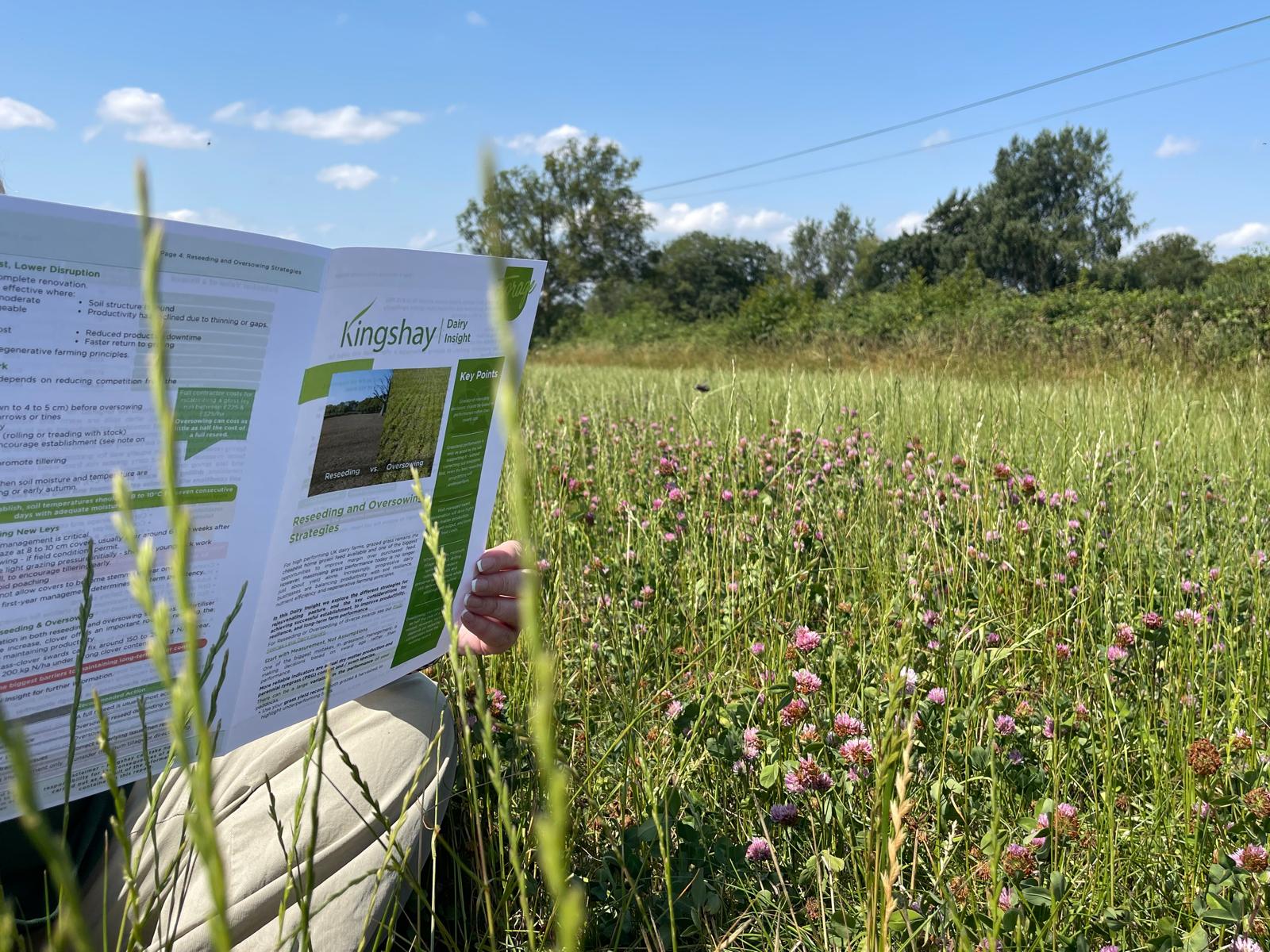
Stay one step ahead with Kingshay’s trusted Insight publications. Practical, expert-led briefings designed for modern dairy farming businesses. Produced since 1991, our concise, easy-to-digest updates deliver the knowledge you need to improve performance, strengthen your business, and support your whole farm team.
Our Insight publications cover all key areas of dairy farming, bringing together technical, research and business information, into clear, actionable advice you can use on farm. Alongside this, our monthly checklist provides timely reminders of essential tasks and highlights important policy changes, helping you stay organised and in control throughout the year.
Written and regularly updated by our specialists, each publication delivers clear, relevant advice in a simple format – ideal for farmers, family members, staff, vets and consultants alike.
A selection of our publications are available to purchase individually here online. To unlock the full library of publications and stay consistently informed, join our community, become a Kingshay member today.

Sign in to download the publications included with your membership, or to purchase a copy.
-

Dairy Insight
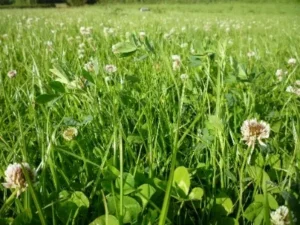
Nitrogen For Grass Part 2
Understanding the value of home produced nutrients and balancing them with bought-in fertiliser as part of a Nutrient Management Plan has never been so important considering rising input costs. 'Making the most of nitrogen for grass – Part 1' looked at the value of nitrogen and when to apply. This Dairy Insight gives an overview of how to design a Nutrition Management Plan using The Nutrient Management Guide (RB209). In doing so, farmers will be able to make efficient use of nitrogen, whilst protecting the environment.
-
Dairy Insight
Optimising Fertiliser Use
The costs of ammonium nitrate and urea have more than doubled in the last year, taking prices to over £500 and £600 per tonne respectively. Optimising fertiliser use should therefore be at the forefront of every farmer's mind. With grass being the cheapest feed on the farm, paying attention to detail for efficient production is crucial to maximising margins. This DAIRY insight explores what you can do on your farm to ensure soils are working well, organic manures are used efficiently and fertiliser plans are carefully calculated to make the best use of costly fertilisers.
-
Dairy Insight
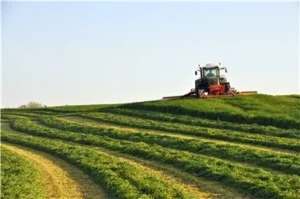
Getting Ready for the Silage Season
We all know that quality grass silage is the linchpin to cost effective, profitable production. Kingshay figures show that it costs just 6.1ppl to make average quality grass silage, versus 8.1ppl for a typical 18% parlour concentrate (Forage Costings Report 2017). With that in mind, it makes sense to maximise the potential of the silage you make in order to displace expensive bought-in concentrates. This DAIRY insight highlights the considerations for setting yourself up for a successful silage season.
-
Dairy Insight
The Carbon Neutral Dairy Farm of 2040
This is the fifth in a series of DAIRY insight publications covering 'Net Zero Emissions', where we aim to outline current and future actions that may help the UK dairy industry become net zero emissions by 2040.
-
Dairy Insight
Net Zero Emissions – Nitrogen Oxides
This is the fourth in a series of dairy insight publications covering 'Net Zero Emissions', where we will attempt to identify the sources of each GHG, how it may be reduced and aim to outline current and future actions that may help the UK dairy industry become net zero emissions by 2040. On dairy farms nitrogen oxides are produced almost entirely by the way we store and spread manures and fertilisers and the ability of our soils to manage water flow. This DAIRY insight explores practical ways to mitigate these gases.
-
Dairy Insight
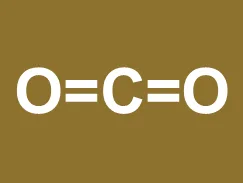
Net Zero Emissions Carbon Dioxide
This is the second in the series of dairy insight publications covering 'Net Zero Emissions'. We will attempt to identify the sources of each GHG, how it may be reduced and aim to outline current and future actions that may help the UK dairy industry become net zero emissions by 2040.
-
Dairy Insight
Management Following 1st Cut Silage
With forage larders bare on many farms, optimising the production of quality grass silage, across all cuts is even more vital this season. With that in mind, it's worthwhile giving yourself a refresher of things to consider following first cut; whether it's forage budgeting, silage making strategy or fertiliser regimes. Issued April 2019. About Kingshay […]
-
Dairy Insight
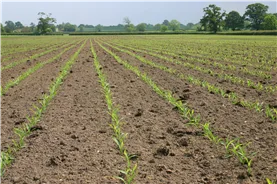
Maize Drilling And Fertilisers
Maize is an excellent feed providing a good source of starch to complement the protein in grass silage, but it is not cheap to grow. It is therefore essential to optimise soil conditions so that maize can achieve its growth potential, along with careful variety selection, timely drilling and the precision use of fertiliser inputs […]
-
Dairy Insight
Natural Capital
is the buzzword of the moment – but what does it really mean and why is it essential to farmers? This insight publication looks at why natural capital is important in the dairy industry and summarises some dairy farming practices that support natural capital. Issued November 2018. About Kingshay insight publications insight publications […]
-
Dairy Insight
Ammonia Emissions
As the biggest agricultural contributor to UK ammonia emissions, dairy farmers are under increasing pressure to improve air quality. At present we are not on track to meet targets set, which led to the release of the Draft Clean Air Strategy in May 2018. The strategy gives every indication that farmers will face regulation for ammonia emissions. At the same time, there are also clear signs that post-Brexit financial support will be focused on delivering improvements to the environment, including air quality. This DAIRY insight looks at why ammonia is a problem, what we can learn from Denmark and The Netherlands and how to reduce ammonia emissions.
-
Dairy Insight
Making the most of Organic Materials
Slurries and farm yard manures represent a hugely valuable and often under- utilised resource on many dairy farms. Understanding their nutrient values could help reduce reliance on bought in fertiliser and save money. For example, a typical 200 cow dairy herd produces muck containing about 1,750kg of nitrogen, 1,200kg of phosphate and 4,400kg of potash […]
-
Dairy Insight
Foliar Fertiliser Farming Note
The potential to improve fertiliser use efficiency by foliar application of nutrients has been researched for several years. Reducing the length of the nutrient pathway after application can potentially reduce losses of nutrients, particularly nitrogen (N), and reduce the time taken for uptake. This Farming Note considers this method of application and reviews a recent […]


Find out how Kingshay can help you and your farming business.
Kingshay have been supporting farmers and providing clarity to farming businesses and the wider industry since 1991.