

Publications
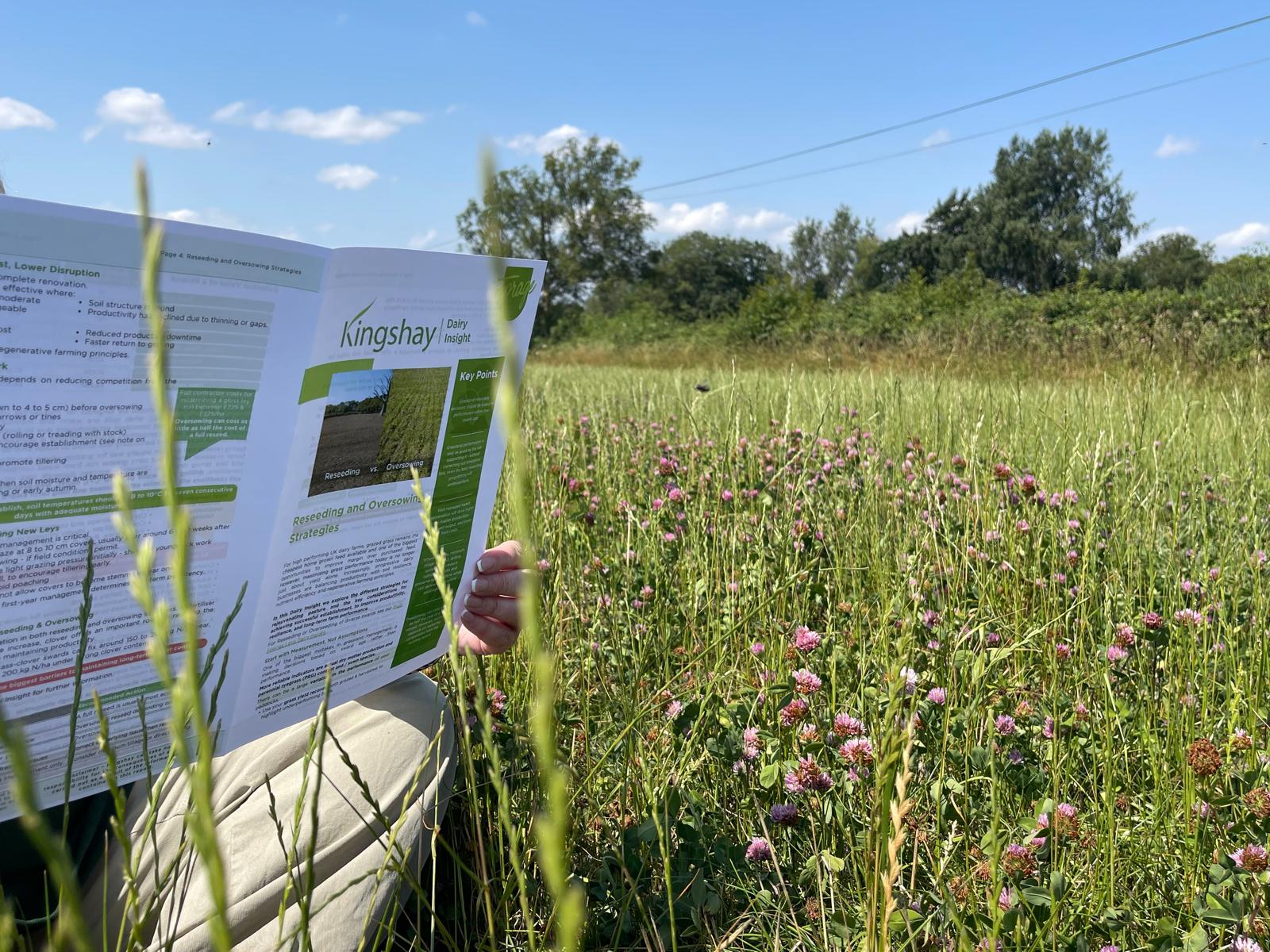
Our publications provide up-to-date knowledge and practical solutions to everyday challenges to meet the needs of the modern dairy farmer.
Kingshay Dairy Insight Publications
Stay one step ahead with Kingshay’s trusted Insight publications. Practical, expert-led briefings designed for modern dairy farming businesses. Produced since 1991, our concise, easy-to-digest updates deliver the knowledge you need to improve performance, strengthen your business, and support your whole farm team.
Our Insight publications cover all key areas of dairy farming, bringing together technical, research and business information, into clear, actionable advice you can use on farm. Alongside this, our monthly checklist provides timely reminders of essential tasks and highlights important policy changes, helping you stay organised and in control throughout the year.
Written and regularly updated by our specialists, each publication delivers clear, relevant advice in a simple format – ideal for farmers, family members, staff, vets and consultants alike.
A selection of our publications are available to purchase individually here online. To unlock the full library of publications and stay consistently informed, join our community, become a Kingshay member today.

Sign in to download the publications included with your membership, or to purchase a copy.
-

Dairy Insight
Cubicle Modifications
Having spent time assessing how well the cows use your cubicles (see Cubicles – what do your cows want?) it is vital to adjust them to suit your cows. This DAIRY insight explores how making small adjustments, which cost very little will make a huge difference to how cows use your cubicles, resulting in cleaner and healthier cows. Low -cost solutions to high-cost problems!
-
Dairy Insight
Cubicles – what do cows want
Happy cows are productive cows! The key is to ensure every aspect of management and cow environment is set up to make the most of the cow's natural behaviour. Closely monitoring your cows and their behaviour will 'tell' you whether your facilities could be modified to further meet their needs. This DAIRY insight explores what you need to look out for in order to establish what works for your cows and where changes can be made to your cubicle sheds to improve cow comfort, welfare, production and ultimately profitability.
-
Dairy Insight
Water Quality & Udder Health
Private water sources are a great way to lower water costs on dairy farms, but failure to routinely monitor and address water quality issues can lead to problems with udder health. As such, it's vital that any non-mains water sources used in and around the parlour are tested for bacteria levels every 6-12 months. This DAIRY insight looks at the risks surrounding private water supplies, how to monitor contamination and how to address any problems that arise.
-
Dairy Insight
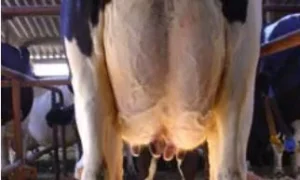
E coli Mastitis
E. coli is one of the primary causes of clinical mastitis in the UK, presenting in various guises from mild cases to severe toxic mastitis that few cows will survive. With that in mind, the emphasis should be on preventing infection by ensuring cows are kept in a clean, dry environment.
-
Dairy Insight
Monitoring Cameras
Cameras are no longer just seen as a security tool; they now have multiple uses on farms from monitoring cows during calving to staff training. Nonetheless, there are key legal obligations to abide by when installing such equipment. This DAIRY insight will look at potential uses, price ranges, camera features and legal requirements
-
Dairy Insight
Bedding Conditioners
Bedding conditioners form an important part of a mastitis control strategy by drying the cubicle beds and making an inhospitable environment for bacteria. However, their use is no substitute for good bed management. Correct application is also a must to ensure optimum efficacy and to avoid both human health and safety issues and animal welfare challenges. With little independent research surrounding individual products, caution is also advised. This DAIRY insight explores the types of conditioners available, when to use and how to get the most out of conditioners.
-
Dairy Insight
Maximising Cow Flow at Milking
Achieving good, natural cow flow in and out of the parlour will reduce frustrations in the pit and minimise cow stress. Less requirement to push cows in for milking will also reduce pressure on the feet and help foot health. The key is to ensure every aspect of management and cow environment is set up to make the most of the cow's natural behaviour. This DAIRY insight explores practical changes that you can make on your farm to improve cow flow at milking time.
-
Dairy Insight
Bimodal Milking
Farmers aim for a quick efficient milking. But can milking be done too quickly? This DAIRY insight explores the concept of bimodal milking and what practical actions you and your staff can take on farm to reduce it, whilst speeding up the milking process. This insight includes a case study into changing milking routine to reduce bimodal milking.
-
Dairy Insight
Protein Efficiency in Dairy Cows
As environmental awareness is coming more prominent and rules and regulations are being created for farmers to reduce their environmental impact, lowering concentration of protein fed to cattle is worth considering to decrease environmental impact, but also increase protein efficiency in dairy cows. 75% of all nitrogen consumed by cattle is excreted as urine or faeces and responsible for environmental damage from production of ammonia gases and nitrous oxide. Soya also creates another issue, soya being a key protein source for dairy cattle but being linked to deforestation of rain forest, suggest another reason to reduce protein concentration. This DAIRY insight publication explores how low can you go in protein concentration, discusses the new NRC recommendations set to come out later this year, as well as looking into how microbial proteins provide the most balanced form of amino acids for a dairy cow.
-
Dairy Insight
Lameness Behaviour in Dairy Cows
Lameness is a costly disease in dairy herds with each case estimated to cost £196 – for treatment costs, labour, loss of milk production, loss of fertility and culling. It is thought average lameness levels have increased slightly to around 40 cases for every 100 cows. However, in the top 25% of dairy herds lameness levels are down at 21 cases per 100 cows saving £3,724 for every 100 cows (Dairy Costings Focus Report 2019). This RESEARCH insight explores some of the latest lameness studies and looks at how the findings can influence on-farm performance.
-
Dairy Insight
Keeping Bacteria Out of MIlk
This issue of DAIRY insight looks at the importance of keeping bacteria out of milk, from a farm, processor and consumer point of view. It examines the main causes of high bactoscans and provides solutions to issues seen on farm.
-
Dairy Insight
Mechanical Ventilation
Good building ventilation is vital to remove the huge amounts of heat and moisture produced by cows every day. Failure to get it right can lead to heat stress and higher levels of disease due to the build-up of pathogens. Where every step has been taken to improve shed ventilation naturally, the use of mechanical ventilation can help cool cows and improve ventilation.


Find out how Kingshay can help you and your farming business.
Kingshay have been supporting farmers and providing clarity to farming businesses and the wider industry since 1991.