

Publications
Our publications provide up-to-date knowledge and practical solutions to everyday challenges to meet the needs of the modern dairy farmer.
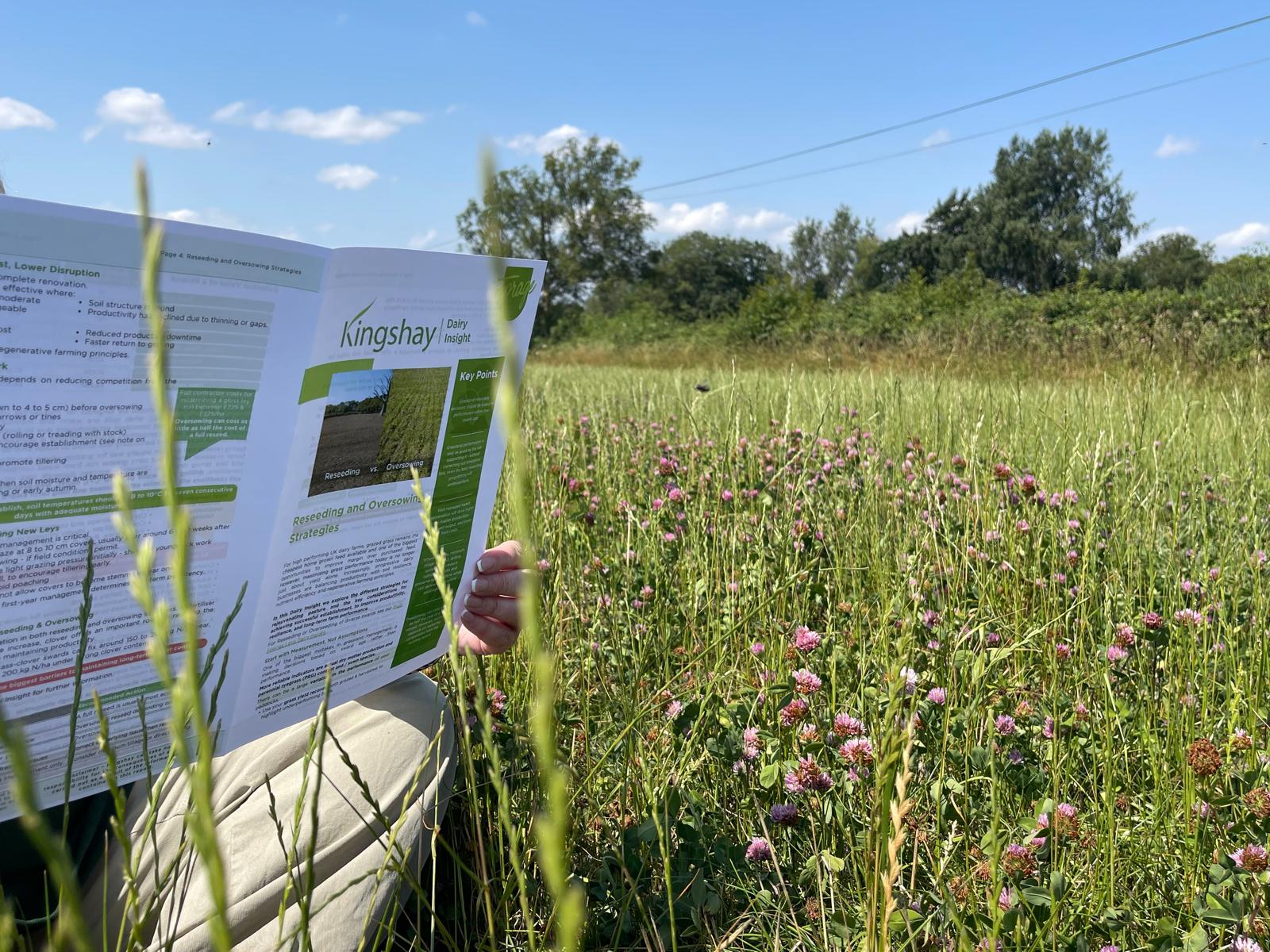
Kingshay Dairy Insight Publications
Stay one step ahead with Kingshay’s trusted Insight publications. Practical, expert-led briefings designed for modern dairy farming businesses. Produced since 1991, our concise, easy-to-digest updates deliver the knowledge you need to improve performance, strengthen your business, and support your whole farm team.
Our Insight publications cover all key areas of dairy farming, bringing together technical, research and business information, into clear, actionable advice you can use on farm. Alongside this, our monthly checklist provides timely reminders of essential tasks and highlights important policy changes, helping you stay organised and in control throughout the year.
Written and regularly updated by our specialists, each publication delivers clear, relevant advice in a simple format – ideal for farmers, family members, staff, vets and consultants alike.
A selection of our publications are available to purchase individually here online. To unlock the full library of publications and stay consistently informed, join our community, become a Kingshay member today.

Sign in to download the publications included with your membership, or to purchase a copy.
-

Dairy Insight
Vitamin Requirements for Dairy Cows
There are several vitamins which are essential for dairy cows. The requirements vary according to the stage of lactation and, because cattle do not synthesise these vitamins in sufficient quantities, we must ensure that the ration provides them; this often means that supplementation will be necessary.
-
Dairy Insight
Milk from Forage Part 4
When evaluating milk production from forage for housed cows, several cow-related factors come into play. Understanding these factors is crucial for optimising forage-based feeding strategies, improving milk yields, and ensuring sustainable dairy farming practices in housed systems or during the housing period. This Dairy Insight is the fourth in the series of publications exploring milk from forage. It is dedicated to the cow aspects of maximising milk from forage whilst housed.
-
Dairy Insight
Milking Frequency
Increased milking frequency, whether through a parlour or robots, is often considered as a means of maximising herd genetic potential and income. However, before making any changes it's essential to weigh up the pros and cons of different milking systems and calculate the impact on the milk cheque, staffing and long-term sustainability.
-
Dairy Insight
Achieving Milk From Forage Part 2 Cow-Specific Aspects At Grazing
When it comes to maximising milk from forage there is always a lot of information around the grass plant itself and the infrastructure required to maximise grazing, or how to maximise conserved forages. However, the cow also plays a vital role, this Dairy Insight is therefore dedicated to the cow aspects of maximising milk from forage whilst grazing. This is the 2nd in a series of publications 'Achieving Milk From Forage'
-
Dairy Insight
Rumen Health and Rumen Acidosis
The rumen is a complex fermentation vat which, through muscular contractions and a careful balance of microorganisms, breaks down the plant cell walls into volatile fatty acids and then passes the semi-digested feed on to the rest of the digestive tract. This Dairy Insight explores the importance of monitoring rumen function with particular reference to acidosis and highlights how and early corrective treatment can improve overall herd performance.
-
Dairy Insight
Simple Parlour Checks
Are cows fidgeting during milking? Are liners slipping? Do you have a lot of 'slow milkers'? It's these types of observations that should form part of everyday parlour checks to establish if your set-up is working effectively; to ensure the health and well-being of the dairy herd, the quality of milk produced, and the overall efficiency of the milking process. Including: • Cow Health Monitoring • Milk Quality Assurance • Equipment Maintenance • Hygiene and Sanitation
-
Dairy Insight
Lameness Part 3: Prevention
This publication is the third in the series of three Dairy Insight publications exploring lameness in dairy cows. Lameness in dairy herds remains one of the biggest health costs (estimated at £11,057 per 100 cows), with the implications of a case of lameness reaching far beyond the costs of treatment, time and reduced yield. Prevention is better than cure!
-
Dairy Insight
Lameness Part 2 Treatment
This publication is the second in a series of three Dairy Insight publications exploring lameness in dairy cows. A case of lameness has a significant impact on the wellbeing and the productivity of the cow. Pain causes them to lie down for longer, feeds more infrequently and has reduced oestrus signals. Lame cows are lame because it is painful. This is an important welfare consideration, and it is critical that the lame cow is treated promptly and appropriately once she has been identified.
-
Dairy Insight
Lameness Part 1: Identification
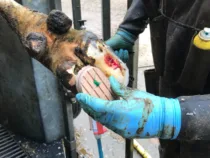
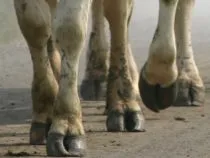
This publication is the first in a series of three Dairy Insight publications exploring lameness in dairy cows. Lameness in dairy herds remains one of the biggest health costs, with the implications of a case of lameness reaching far beyond the costs of treatment, time and reduced yield. The estimated cost per average herd is £11,057.
-
Dairy Insight
Blue Tongue Dairy Insight
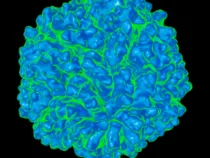
Blue tongue is a viral disease caused by infection by the blue tongue virus (BTV – a member of the Reoviridae family). The virus is transmitted by biting midges of the Culicoides species, meaning there is no risk from direct contact with infected animals. It can infect all ruminant species; cattle, camelids, deer, goats and sheep. BTV is not a zoonotic disease so poses no threat to human health. This Dairy Insight explores the virus, how it is spread and how you can reduce the risk on your own farm.
-
Dairy Insight
Calf Housing – Social Contact
The costs of rearing dairy replacements is estimated to be between £1,546 and over £2,170 depending on the age at first calving (see Youngstock Rearing Costs Dairy Insight). This accounts for between 10 to 20% of dairy enterprise costs (according to Kingshay's Profit Manager figures). With these costs ever increasing, it is as important as ever to have a highly efficient rearing system. After all, heifer calves are the future of most dairy herds and you don't get a second chance to get it right. Whilst the impacts of early life nutrition on cow productivity are well understood, the impact of other life experiences is not so well recognised. This Dairy Insight explores the effects of social contact on calves and the lasting effects into adulthood.
-
Dairy Insight
Cattle Health Certification Schemes
Cattle health schemes are designed to help farms monitor and eliminate the six most important endemic diseases, which are prevalent in the UK and are costing many thousands of pounds on individual farms. There are several licensed schemes available, and these are regulated and overseen by the Cattle Health Certification Standards (CHECS). This Dairy Insight explores the benefits of health schemes to monitor and eliminate diseases on your farm.

Find out how Kingshay can help you and your farming business.
Kingshay have been supporting farmers and providing clarity to farming businesses and the wider industry since 1991.