

Publications
Our publications provide up-to-date knowledge and practical solutions to everyday challenges to meet the needs of the modern dairy farmer.
Kingshay Dairy Insight Publications
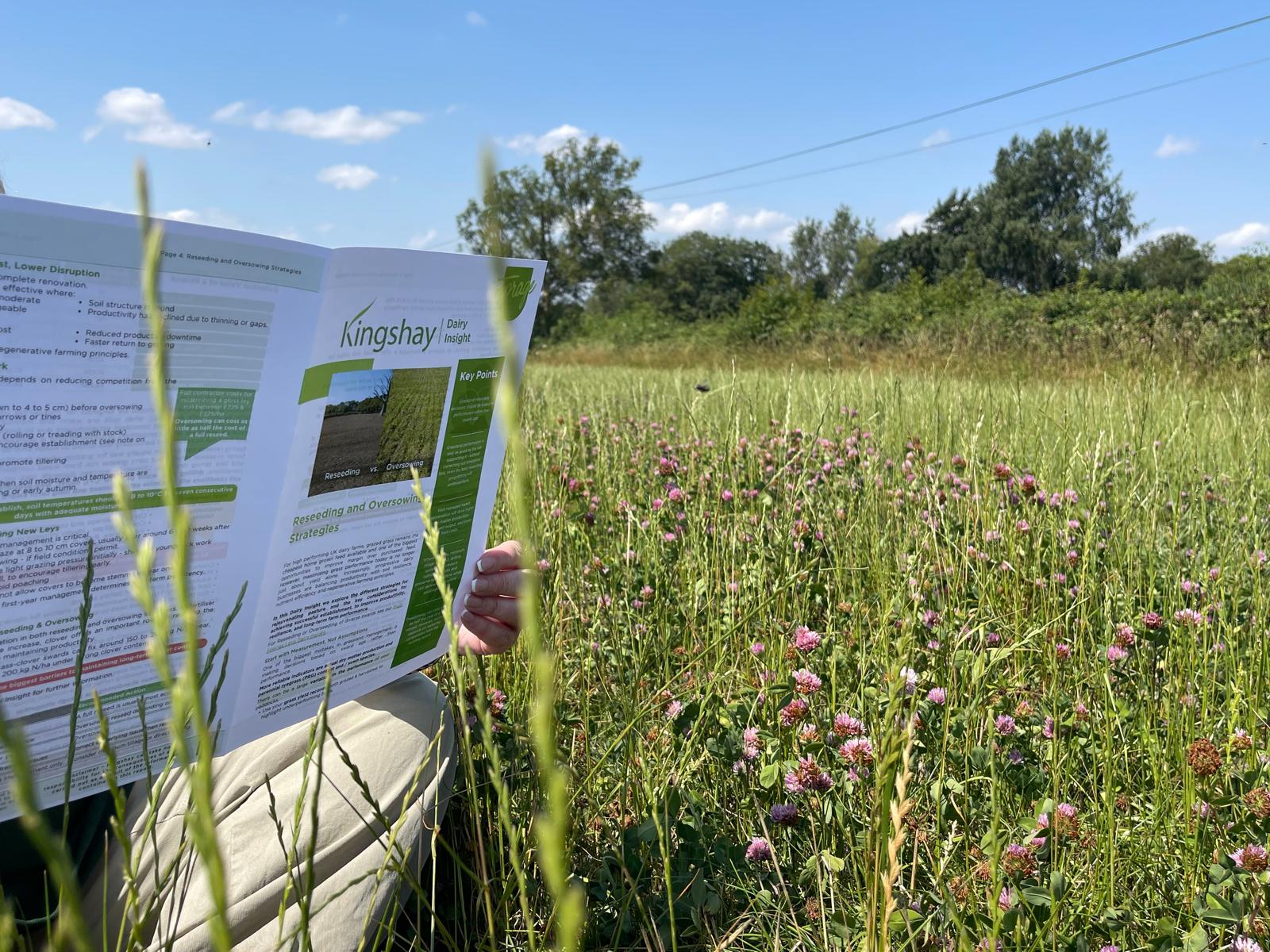
Stay one step ahead with Kingshay’s trusted Insight publications. Practical, expert-led briefings designed for modern dairy farming businesses. Produced since 1991, our concise, easy-to-digest updates deliver the knowledge you need to improve performance, strengthen your business, and support your whole farm team.
Our Insight publications cover all key areas of dairy farming, bringing together technical, research and business information, into clear, actionable advice you can use on farm. Alongside this, our monthly checklist provides timely reminders of essential tasks and highlights important policy changes, helping you stay organised and in control throughout the year.
Written and regularly updated by our specialists, each publication delivers clear, relevant advice in a simple format – ideal for farmers, family members, staff, vets and consultants alike.
A selection of our publications are available to purchase individually here online. To unlock the full library of publications and stay consistently informed, join our community, become a Kingshay member today.

Sign in to download the publications included with your membership, or to purchase a copy.
-

Dairy Insight
Liver Fluke
Liver fluke is a highly pathogenic flatworm parasite called Fasciola hepatica. Infected mud snails (Galba truncatula) shed liver fluke cysts onto pasture, where cattle graze, causing cow infections. Liver fluke can be an issue all year round, but the most problematic time is late summer and autumn, particularly in the wetter regions. Preventing animals from becoming infected with fluke is vital, from both a welfare and economic point of view, with a case costing £192 from milk losses alone. This DAIRY insight explores diagnoses, treatment, and prevention of liver fluke in dairy cows.
-
Dairy Insight
Bimodal Milking
Farmers aim for a quick efficient milking. But can milking be done too quickly? This DAIRY insight explores the concept of bimodal milking and what practical actions you and your staff can take on farm to reduce it, whilst speeding up the milking process. This insight includes a case study into changing milking routine to reduce bimodal milking.
-
Dairy Insight
Lameness Behaviour in Dairy Cows
Lameness is a costly disease in dairy herds with each case estimated to cost £196 – for treatment costs, labour, loss of milk production, loss of fertility and culling. It is thought average lameness levels have increased slightly to around 40 cases for every 100 cows. However, in the top 25% of dairy herds lameness levels are down at 21 cases per 100 cows saving £3,724 for every 100 cows (Dairy Costings Focus Report 2019). This RESEARCH insight explores some of the latest lameness studies and looks at how the findings can influence on-farm performance.
-
Dairy Insight
NSAIDs for Pain Management in Cattle
Prompt recognition and treatment of disease are essential to reduce pain in cattle and promote cow welfare. Non-Steroidal Anti-Inflammatory drugs (NSAIDs) are an important component in helping manage pain, inflammation and disease. This DAIRY insight publication will look at how NSAIDs can form part of a treatment regime in cattle.
-
Dairy Insight
Compact Feeding
Compact feeding is a popular concept in Denmark and one that is growing in popularity in the UK. It was developed by Danish professor, Niels Bastian Kristensen. The principal of compact feeding is soaking and mixing concentrates, then adding forage and mixing again – creating a consistency similar to porridge. This DAIRY insight publication looks at the process of compact feeding and examines the advantages and possible pitfalls
-
Dairy Insight
Teat Necrosis
Reports of Bovine Ischemic Teat Necrosis (ITN) – which causes cattle to excessively lick and remove their teats – are on the up. The condition was first officially identified in UK herds in 2004, with anecdotal evidence suggesting around half of UK dairy farmers have seen at least one case in their herd. With first […]
-
Dairy Insight
Mechanical Ventilation
Good building ventilation is vital to remove the huge amounts of heat and moisture produced by cows every day. Failure to get it right can lead to heat stress and higher levels of disease due to the build-up of pathogens. Where every step has been taken to improve shed ventilation naturally, the use of mechanical ventilation can help cool cows and improve ventilation.
-
Report
Hoof Block Report
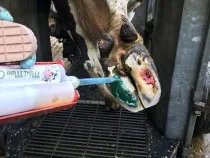
Many publications focus on the identification and prevention of lameness and much less emphasis has been given to the practical treatment of the animal once it has been identified as lame. Hoof blocks are routinely used as part of the treatment regime. In recent years, more hoof blocks and shoes have become available with innovative […]
-
Dairy Insight
Fly Control in Cattle
As the days start to get longer, it is time once again to turn our attention to fly control. The main months of fly activity in the UK are May to August, but as we all know the seasons in this country can be very variable and so it is worth being prepared to treat […]
-
Dairy Insight
Strategic Worm Control
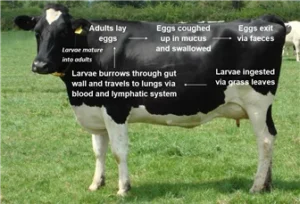
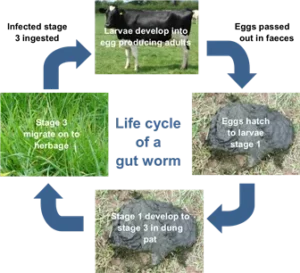
This insight publication is one in a series of three worming publications: Understanding Anthelmintics and Youngstock Worms, that together provide a comprehensive guide for developing a good worming strategy in conjunction with your vet. In the UK, anthelmintic resistance is common in sheep, and while less so in cattle, it is a growing threat to […]
-
Dairy Insight
Youngstock Worms
This is one of a series of three insight publications, looking at parasitic worms in cattle. Together these publications provide a comprehensive guide for developing a good worming strategy in conjunction with your vet. There are many species of roundworm worms (Nematodes) that can parasitise cattle, but only a few are of economic importance within the UK, these are: Ostertagia ostertagi, Cooperia oncophora and Dictyocaulus viviparous. This insight publication examines theses parasites in greater detail, to provide a better understanding of this economically important disease.
-
Dairy Insight
Understanding Anthelmintics
In the UK anthelmintic resistance is common in sheep, and while less so in cattle, it is a growing threat to their health and welfare. If left unimpeded, it could lead to existing anthelmintics becoming ineffective. Ensuring good worming practices and developing a reliable worming strategy will not only improve herd health leading to economic […]

Find out how Kingshay can help you and your farming business.
Kingshay have been supporting farmers and providing clarity to farming businesses and the wider industry since 1991.