

Publications
Our publications provide up-to-date knowledge and practical solutions to everyday challenges to meet the needs of the modern dairy farmer.
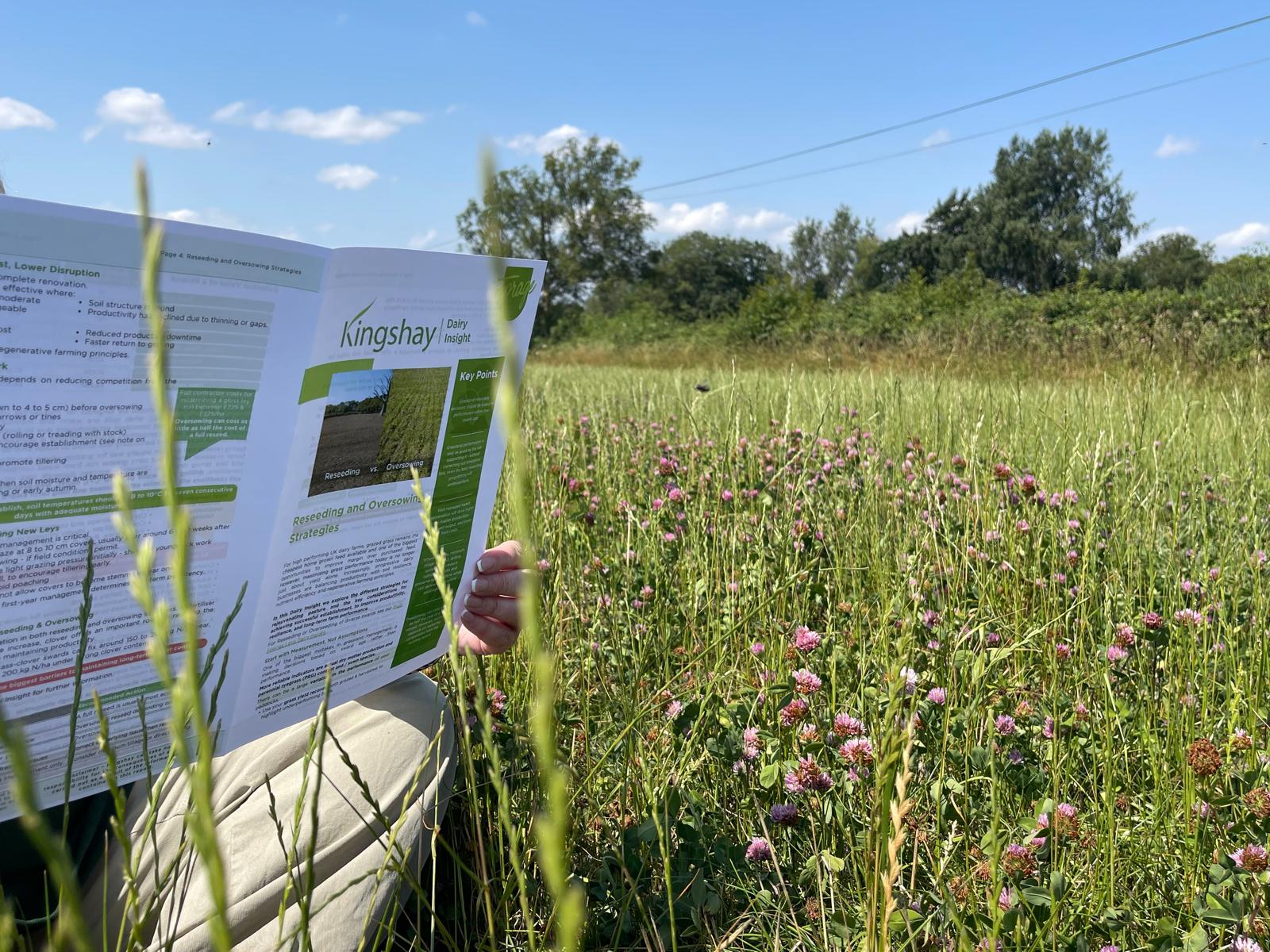
Kingshay Dairy Insight Publications
Stay one step ahead with Kingshay’s trusted Insight publications. Practical, expert-led briefings designed for modern dairy farming businesses. Produced since 1991, our concise, easy-to-digest updates deliver the knowledge you need to improve performance, strengthen your business, and support your whole farm team.
Our Insight publications cover all key areas of dairy farming, bringing together technical, research and business information, into clear, actionable advice you can use on farm. Alongside this, our monthly checklist provides timely reminders of essential tasks and highlights important policy changes, helping you stay organised and in control throughout the year.
Written and regularly updated by our specialists, each publication delivers clear, relevant advice in a simple format – ideal for farmers, family members, staff, vets and consultants alike.
A selection of our publications are available to purchase individually here online. To unlock the full library of publications and stay consistently informed, join our community, become a Kingshay member today.

Sign in to download the publications included with your membership, or to purchase a copy.
-

Dairy Insight
Preparing for Environment Agency (EA) Inspections
The Environment Agency (EA) is continuing to ramp up on-farm visits following a drive to recruit new inspectors, leading many farmers to confront the consequences of non-compliance. While the repercussions are typically not punitive, the required actions to meet regulatory standards can be extensive. This Dairy Insight explores the proactive measures farmers can take in readiness for impending EA inspections to facilitate both environmental stewardship and business viability.
-
Dairy Insight
Slurry Storage Rules & Regulations
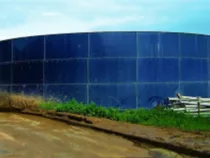
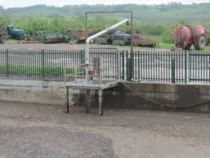
Fulfilling legal requirements for sufficient slurry storage could facilitate better use of farm nutrients, which could benefit both the environment, and your back pocket. And with various rounds of grant funding in the pipeline – and storage requirements up for review – there's arguably never been a better time to future-proof your storage. This Dairy Insight delves into the minimum slurry storage requirements for farms, discusses storage requirement calculations and key considerations for new stores.
-
Dairy Insight
Simple Parlour Checks
Are cows fidgeting during milking? Are liners slipping? Do you have a lot of 'slow milkers'? It's these types of observations that should form part of everyday parlour checks to establish if your set-up is working effectively; to ensure the health and well-being of the dairy herd, the quality of milk produced, and the overall efficiency of the milking process. Including: • Cow Health Monitoring • Milk Quality Assurance • Equipment Maintenance • Hygiene and Sanitation
-
Dairy Insight
Calf Housing – Social Contact
The costs of rearing dairy replacements is estimated to be between £1,546 and over £2,170 depending on the age at first calving (see Youngstock Rearing Costs Dairy Insight). This accounts for between 10 to 20% of dairy enterprise costs (according to Kingshay's Profit Manager figures). With these costs ever increasing, it is as important as ever to have a highly efficient rearing system. After all, heifer calves are the future of most dairy herds and you don't get a second chance to get it right. Whilst the impacts of early life nutrition on cow productivity are well understood, the impact of other life experiences is not so well recognised. This Dairy Insight explores the effects of social contact on calves and the lasting effects into adulthood.
-
Dairy Insight
Calf Housing The Ambient Environment
Get the ambient environment right in a calf building and you'll be rewarded with healthy, well-grown animals. Get it wrong, and you could be facing an uphill battle. That's why it's essential that all buildings – new or existing – are set up to provide calves with a dry, clean environment with plenty of fresh air, but no draughts. This Dairy Insight explores the ambient environment of calf buildings and how you'll be rewarded with healthy, well-grown animals, setting them up for their life in the dairy herd.
-
Dairy Insight
Methane Reducing Feed Additive, Mootral Ruminant Dairy Insight
In the UK, agriculture is responsible for an estimated 11% of total greenhouse gas (GHG) emissions, 58% of which comes from methane. Enteric fermentation from ruminant livestock is the most significant source of these methane emissions. The use of methane inhibitors in the ration can also have a significant impact on methane production. This Research Insight explores a field study conducted by Mootral in collaboration with Kingshay, to explore the impact of feeding Mootral Ruminant on commercial dairy farms.
-
Dairy Insight
Metabolic Profiling Dairy Insight
This insight explores how blood profiling can help you identify problems with the cows and the ration they are being fed – if interpreted correctly. Interpreting the results from blood profiling is complex and requires professional input. This note provides an overview of what's involved, allowing you to have a more informed discussion with your vet or nutritionist.
-
Dairy Insight
Pneumonia (BRD) Prevention
Calf pneumonia is the more commonly used name for Bovine Respiratory Disease (BRD). It is estimated to cost the UK cattle industry around £80 million a year. A mild case may only cost c.£30 per animal, however this rises to £80 for more severe cases. Costs will increase to over £500 if the disease results in mortality. Some costs, such as vet and med costs, are highly visible at the time of an outbreak. Others, such as the impact on daily liveweight gain, feed conversion efficiency and labour, are much harder to quantify, but important nonetheless. Moreover, pneumonia can significantly affect lifetime productivity – data shows that heifers treated for pneumonia took on average an additional 30 days to reach age at first calving and those which had multiple pneumonia treatments as calves produced 337 fewer litres in their 1st lactation and 849 fewer in their 2nd.
-
Dairy Insight
Slurry Storage Covers
Restrictions on winter slurry spreading to prevent pollution and the greater need to make more efficient use of farm nutrients because of rising fertiliser costs means all dairy farmers should be thinking about whether their slurry storage is optimised. The fact grants for six months' worth of covered storage should become available later this year also means it's an area well worth considering. This dairy insight is designed to be read alongside Slurry Storage – Covers.
-
Dairy Insight
Slurry Storage Options
Restrictions on winter slurry spreading to prevent pollution and the greater need to make more efficient use of farm nutrients because of rising fertiliser costs means all dairy farmers should be thinking about whether their slurry storage is optimised. The fact grants for six months' worth of covered storage should become available later this year also means it's an area well worth considering. This dairy insight is designed to be read alongside Slurry Storage – Covers.
-
Dairy Insight
Slurry Acidification
The use of acidification or pH reduction systems to lower the pH of slurry is increasingly being talked about by Government as a means of hitting ammonia and methane reduction targets. In fact, acidification equipment was listed as one of the big budget items eligible for the Improving Farm Productivity Grant released at the start of the year. Slurry acidification boosts the available nutrient value of slurry, whilst also potentially removing the need to cover slurry stores. However, this high-cost system comes with technical challenges, health and safety risks and needs careful consideration.
-
Dairy Insight
Water Supply For Housed Cows
Water not only accounts for approximately 87% of milk but will account for between 60 and 70% of a cows' body composition. With this in mind we can understand why water is such an important part of the cow's diet. This DAIRY insight explores why a plentiful, high quality and accessible water supply is fundamental to optimising milk production and animal health.


Find out how Kingshay can help you and your farming business.
Kingshay have been supporting farmers and providing clarity to farming businesses and the wider industry since 1991.