
Publications
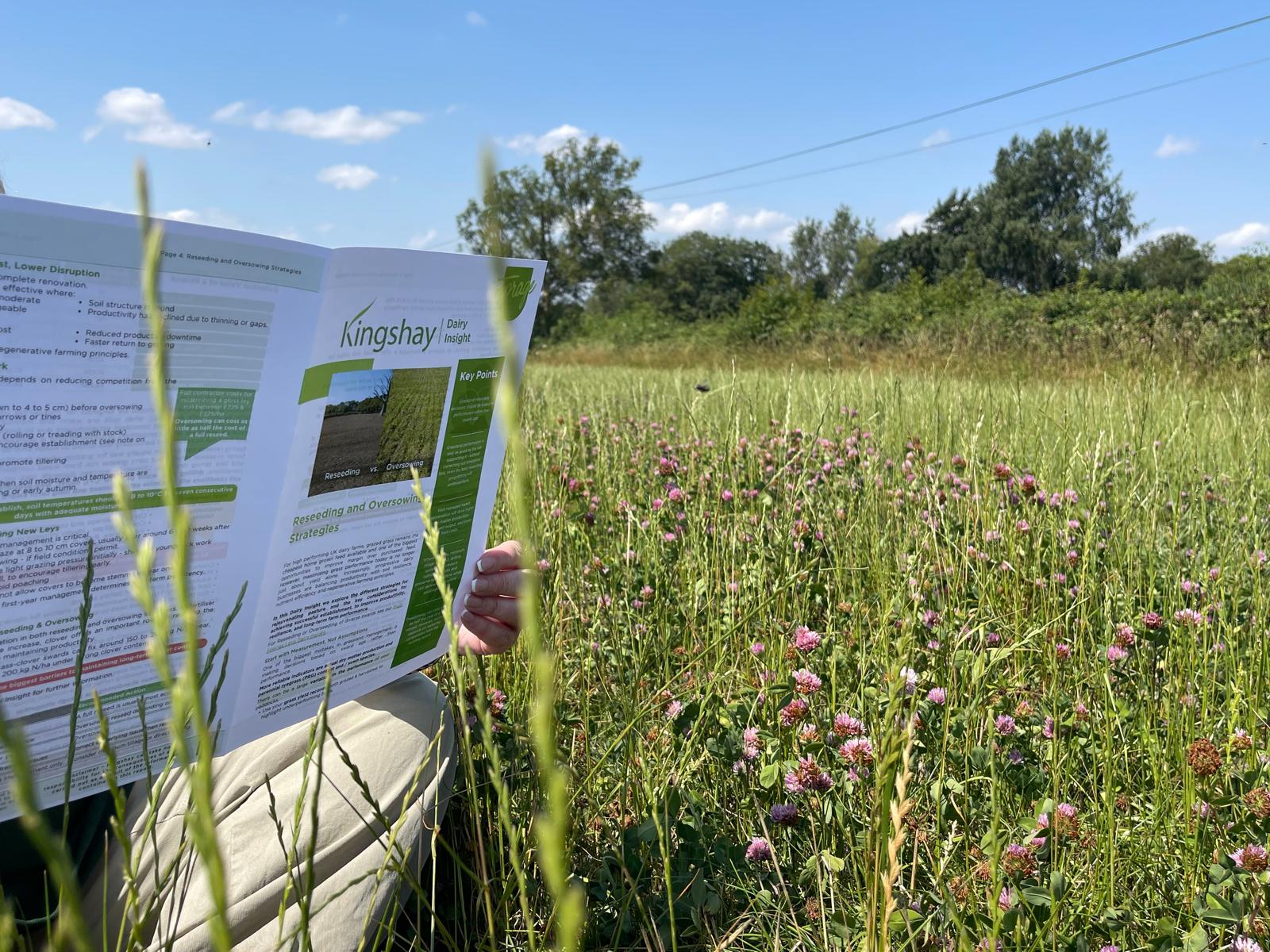
Our publications provide up-to-date knowledge and practical solutions to everyday challenges to meet the needs of the modern dairy farmer.
Kingshay Dairy Insight Publications
Stay one step ahead with Kingshay’s trusted Insight publications. Practical, expert-led briefings designed for modern dairy farming businesses. Produced since 1991, our concise, easy-to-digest updates deliver the knowledge you need to improve performance, strengthen your business, and support your whole farm team.
Our Insight publications cover all key areas of dairy farming, bringing together technical, research and business information, into clear, actionable advice you can use on farm. Alongside this, our monthly checklist provides timely reminders of essential tasks and highlights important policy changes, helping you stay organised and in control throughout the year.
Written and regularly updated by our specialists, each publication delivers clear, relevant advice in a simple format – ideal for farmers, family members, staff, vets and consultants alike.
A selection of our publications are available to purchase individually here online. To unlock the full library of publications and stay consistently informed, join our community, become a Kingshay member today.

Sign in to download the publications included with your membership, or to purchase a copy.
-

Dairy Insight
Maximising Value Minimising waste
What do management guru, Peter Drucker and Kingshay have in common? The answer is, "If you can't measure it, you can't manage it." – coined by the renowned expert and repeated on numerous occasions by Kingshay. This is considered one of the most important business management quotes of all time, appropriate to your business, as much as any other. This DAIRY insight is aimed at understanding how you can use this philosophy to increase business profits through maximising value and minimising waste.
-
Dairy Insight
Neospora
There is no treatment or vaccination for Neospora, good biosecurity policies which aim to reduce the risk of introducing Neospora to the herd is essential, as is routine screening to identify infected animals and having a plan as how to manage them. This DAIRY insight will explore how Neospora can infect your herd, how to identify it and how it may affect individual livestock.
-
Dairy Insight
Pneumonia (BRD) Prevention
Calf pneumonia is the more commonly used name for Bovine Respiratory Disease (BRD). It is estimated to cost the UK cattle industry around £80 million a year. A mild case may only cost c.£30 per animal, however this rises to £80 for more severe cases. Costs will increase to over £500 if the disease results in mortality. Some costs, such as vet and med costs, are highly visible at the time of an outbreak. Others, such as the impact on daily liveweight gain, feed conversion efficiency and labour, are much harder to quantify, but important nonetheless. Moreover, pneumonia can significantly affect lifetime productivity – data shows that heifers treated for pneumonia took on average an additional 30 days to reach age at first calving and those which had multiple pneumonia treatments as calves produced 337 fewer litres in their 1st lactation and 849 fewer in their 2nd.
-
Dairy Insight
Sustainable Parasite Control – Part 1: Worms and Fluke
Parasites, both ectoparasites (external parasites) and endoparasites (internal parasites) can be a major cause of disease in dairy cattle. They will not only contribute to poor animal health and welfare, but ultimately they will impact productivity; through reduced appetite and feed intake. Gut worms in particular will impact nutrient utilisation leading to poor feed efficiency, affecting liveweight gains, and milk production in lactating stock. Historically, control of parasites has largely been through the use of chemicals, such as anthelmintics, flukicides, and ectoparasiticides. This DAIRY insight is the first in a two part series exploring the control of parasites without using chemicals for a more sustainable farming business
-
Dairy Insight
Grazing – Dealing with Hot Weather and Drought
The UK does not often experience the hot temperatures faced this season, the duration of the heat and lack of rain is almost unprecedented. However, it is likely that with climate change, we will encounter these conditions more frequently, as extreme weather events are projected to become more intense and more regular. Adjusting our farming systems in both the short and long term will be necessary. So, what additional considerations need to be taken into account to deal with hot weather and drought? This dairy insight looks at the effect of hot weather and drought on dairy grazing systems and explores ways farmers can increase their resilience to hot dry weather.
-
Dairy Insight
Assisted Calving
For a heifer or cow to reach their full production potential, a good calving is essential. They are less likely to suffer from problems post calving such as metritis, ketosis and displaced abomasum, as well as returning to heat and getting back in calf more quickly. For staff, a good calving is a positive experience and impacts less on precious time, as there are fewer consequences such as weak calves and sick cows to deal with. This DAIRY insight explores difficult calvings and when and how to assist.
-
Dairy Insight
Fine Tuning at Calving
One of the most difficult times for dairy cattle is the transition period around calving. The cow has to cope with many changes – physiological, environmental and management related. These stresses, which include various pen and diet changes, all contribute to this being a high-risk period for disease. Therefore fine tuning your management practices at this time can pay dividends. This RESEARCH insight explores two recent studies and asks if their findings can positively impact your cow management at calving.
-
Dairy Insight
Mastitis in Summer
When we think of mastitis and summer, we generally think of the risk of infection of Summer Mastitis to dry cows and maiden heifers. However, this is not the only mastitis that needs consideration. Indeed, in lactating cows, both SCC and mastitis rates rise during the warmer months. This dairy insight looks at the different mastitis infections that are prevalent during the summer months, the pathogens involved and provide advice as to what steps can be put in place to reduce or prevent mastitis at this time of year.
-
Dairy Insight
Water Supply at Grass
Getting water supply at grass right is a must for optimal cow welfare and to avoid potential dips in production. Water supply is a common pinch point on dairy farms, particularly when herd expansion has taken place and water infrastructure has not been addressed accordingly. Take the time to assess whether herd demands are being met and ensure the system is set up to cope with peak demands when ambient temperatures are at their highest. See Water Supply for Housed Cows dairy insight for advice at housing.
-
Dairy Insight
Data Security Business Insight
Huge volumes of business and performance data are stored on farm, leaving farms open to the risk of accidental record loss or online identity theft. In fact, with more-and-more management systems hosted online and personal details shared on social media and other online platforms, the risk of identity theft has never been higher. This business insight provides some tips to maximise IT data security and avoid the stresses associated with things going wrong.
-
Dairy Insight
Cereal Options
As bought-in feed costs show no sign of abatement, choosing to feed home-grown cereals rather than sell them could be a wise decision. The variety of treatment options available also creates flexibility to either produce a concentrate or forage replacer, depending on requirements. However, before making decisions, it's important to sit down, weigh up the options and calculate what's best for an individual farm. This DAIRY insight explores the options for you to consider.
-
Dairy Insight
Bloat in Cattle
Gases such as methane and carbon dioxide are produced as part of the normal process of digestion in cattle. These gases are usually discharged by eructation (belching). If the animal is unable to remove the excess gas it builds up causing bloat, a distention of the ruminoreticulum. This DAIRY insight explores the causes of bloat, and how it can be treated – and first and foremost, how to prevent bloat from being an issue for your stock.

Find out how Kingshay can help you and your farming business.
Kingshay have been supporting farmers and providing clarity to farming businesses and the wider industry since 1991.