
Publications
Our publications provide up-to-date knowledge and practical solutions to everyday challenges to meet the needs of the modern dairy farmer.
Kingshay Dairy Insight Publications
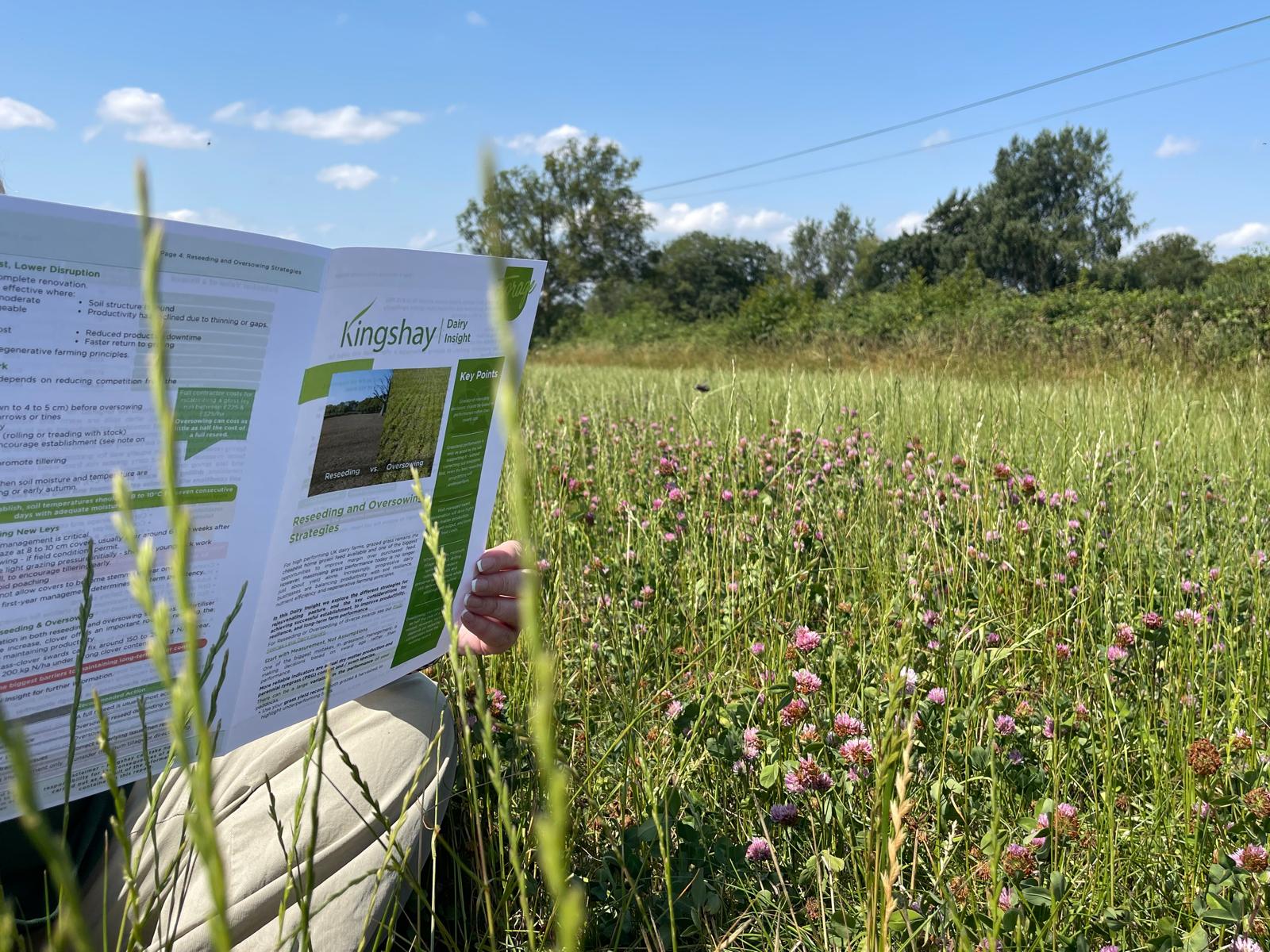
Stay one step ahead with Kingshay’s trusted Insight publications. Practical, expert-led briefings designed for modern dairy farming businesses. Produced since 1991, our concise, easy-to-digest updates deliver the knowledge you need to improve performance, strengthen your business, and support your whole farm team.
Our Insight publications cover all key areas of dairy farming, bringing together technical, research and business information, into clear, actionable advice you can use on farm. Alongside this, our monthly checklist provides timely reminders of essential tasks and highlights important policy changes, helping you stay organised and in control throughout the year.
Written and regularly updated by our specialists, each publication delivers clear, relevant advice in a simple format – ideal for farmers, family members, staff, vets and consultants alike.
A selection of our publications are available to purchase individually here online. To unlock the full library of publications and stay consistently informed, join our community, become a Kingshay member today.

Sign in to download the publications included with your membership, or to purchase a copy.
-

Dairy Insight
Mastitis in Summer
When we think of mastitis and summer, we generally think of the risk of infection of Summer Mastitis to dry cows and maiden heifers. However, this is not the only mastitis that needs consideration. Indeed, in lactating cows, both SCC and mastitis rates rise during the warmer months. This dairy insight looks at the different mastitis infections that are prevalent during the summer months, the pathogens involved and provide advice as to what steps can be put in place to reduce or prevent mastitis at this time of year.
-
Dairy Insight
Water Supply at Grass
Getting water supply at grass right is a must for optimal cow welfare and to avoid potential dips in production. Water supply is a common pinch point on dairy farms, particularly when herd expansion has taken place and water infrastructure has not been addressed accordingly. Take the time to assess whether herd demands are being met and ensure the system is set up to cope with peak demands when ambient temperatures are at their highest. See Water Supply for Housed Cows dairy insight for advice at housing.
-
Dairy Insight
Data Security Business Insight
Huge volumes of business and performance data are stored on farm, leaving farms open to the risk of accidental record loss or online identity theft. In fact, with more-and-more management systems hosted online and personal details shared on social media and other online platforms, the risk of identity theft has never been higher. This business insight provides some tips to maximise IT data security and avoid the stresses associated with things going wrong.
-
Dairy Insight
Cereal Options
As bought-in feed costs show no sign of abatement, choosing to feed home-grown cereals rather than sell them could be a wise decision. The variety of treatment options available also creates flexibility to either produce a concentrate or forage replacer, depending on requirements. However, before making decisions, it's important to sit down, weigh up the options and calculate what's best for an individual farm. This DAIRY insight explores the options for you to consider.
-
Dairy Insight
Bloat in Cattle
Gases such as methane and carbon dioxide are produced as part of the normal process of digestion in cattle. These gases are usually discharged by eructation (belching). If the animal is unable to remove the excess gas it builds up causing bloat, a distention of the ruminoreticulum. This DAIRY insight explores the causes of bloat, and how it can be treated – and first and foremost, how to prevent bloat from being an issue for your stock.
-
Dairy Insight
Slurry Storage Covers
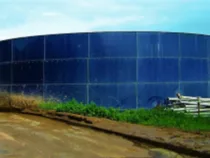
Restrictions on winter slurry spreading to prevent pollution and the greater need to make more efficient use of farm nutrients because of rising fertiliser costs means all dairy farmers should be thinking about whether their slurry storage is optimised. The fact grants for six months' worth of covered storage should become available later this year also means it's an area well worth considering. This dairy insight is designed to be read alongside Slurry Storage – Covers.
-
Dairy Insight
Slurry Storage Options
Restrictions on winter slurry spreading to prevent pollution and the greater need to make more efficient use of farm nutrients because of rising fertiliser costs means all dairy farmers should be thinking about whether their slurry storage is optimised. The fact grants for six months' worth of covered storage should become available later this year also means it's an area well worth considering. This dairy insight is designed to be read alongside Slurry Storage – Covers.
-
Dairy Insight
Fresh Grass Analysis
Fresh grass analysis is essential for formulating a balanced ration when livestock are at grass, to predict silage quality before cutting and to inform decisions on when to cut. This insight is designed to help you read the analysis results quickly. There are several further insights available covering related management aspects.
-
Dairy Insight
Slurry Acidification
The use of acidification or pH reduction systems to lower the pH of slurry is increasingly being talked about by Government as a means of hitting ammonia and methane reduction targets. In fact, acidification equipment was listed as one of the big budget items eligible for the Improving Farm Productivity Grant released at the start of the year. Slurry acidification boosts the available nutrient value of slurry, whilst also potentially removing the need to cover slurry stores. However, this high-cost system comes with technical challenges, health and safety risks and needs careful consideration.
-
Dairy Insight
Urea VS. Ammonium Nitrate
Urea fertiliser can be a cost-effective alternative to ammonium nitrate (AN) in some circumstances. However, a recent government consultation has cast doubt on its future role in agriculture following concerns over its contribution to ammonia emissions. Until decisions are made on its future, there are steps farmers can take to optimise its use and reduce environmental risk. This DAIRY insight explores the use of Urea as a source of nitrogen fertiliser.
-
Dairy Insight
Zero Grazing
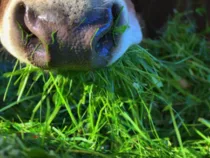
Zero grazing is the practice of cutting fresh grass daily to feed to housed cows. It is sometimes referred to as 'cut and carry'. With feed and forage accounting for the largest costs on a dairy farm, maximising the use of grass has the ability to reduce costs and increase profitability. One way to improve milk from forage is via zero grazing. This nsight publication aims to help farmers decide whether zero grazing is for them and provide practical advice on best practice.
-
Dairy Insight
Choosing the Right Calf Milk Replacer
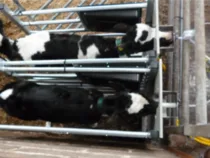
Calf milk replacers (CMRs) have been available in the UK since the 1950s. Over the last couple of decades there have been significant changes to formulations, with many of the products available today a result of extensive research. With so many CMRs available at a range of prices, ingredients and nutritional quality, finding the correct one for your calves can be difficult. The purpose of this DAIRY insight publication is to help farmers to evaluate a CMR suitable for their rearing system. Though, it is worth remembering that CMRs are only one aspect of successful calf rearing


Find out how Kingshay can help you and your farming business.
Kingshay have been supporting farmers and providing clarity to farming businesses and the wider industry since 1991.