

Publications
Our publications provide up-to-date knowledge and practical solutions to everyday challenges to meet the needs of the modern dairy farmer.
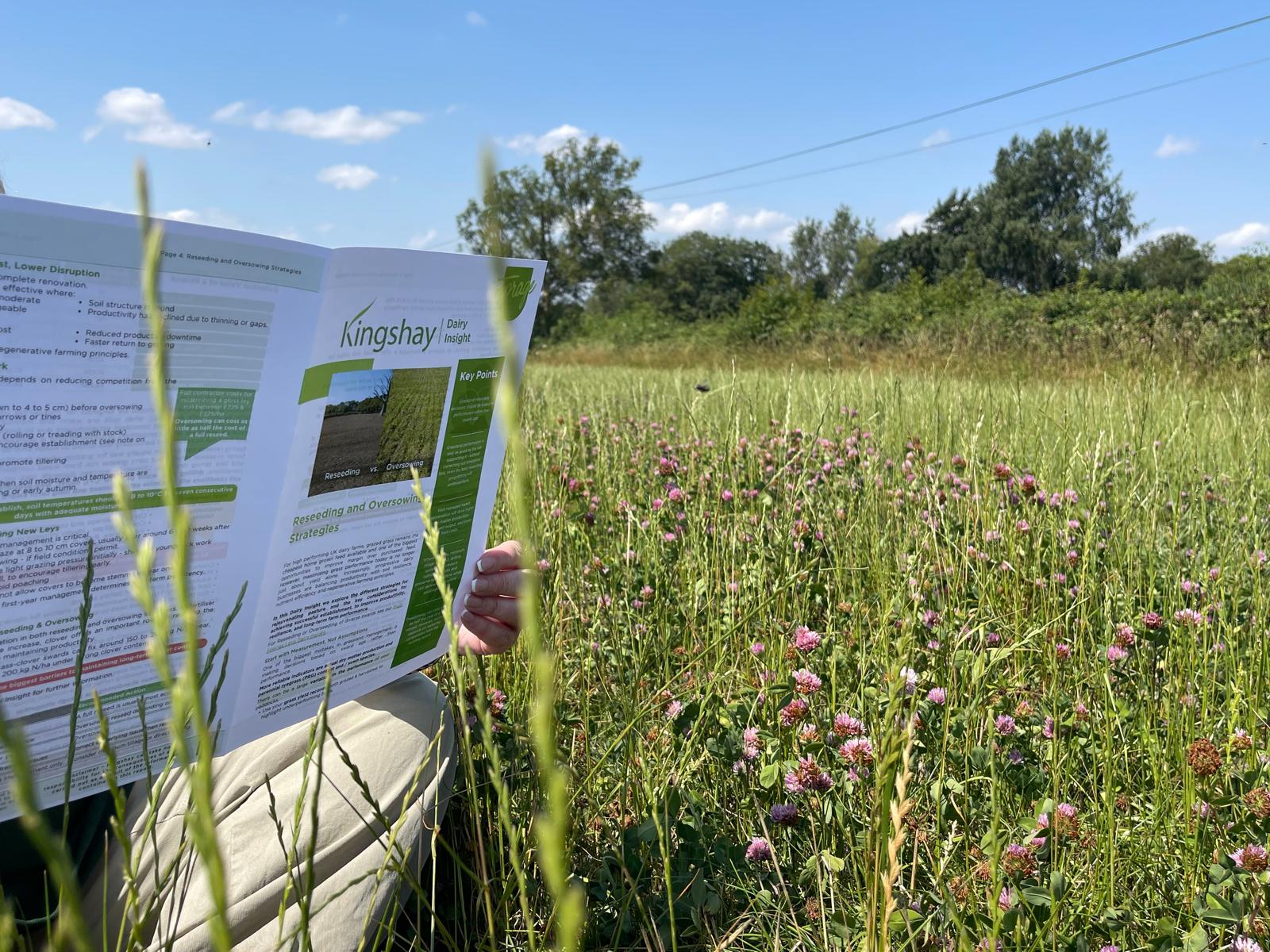
Kingshay Dairy Insight Publications
Stay one step ahead with Kingshay’s trusted Insight publications. Practical, expert-led briefings designed for modern dairy farming businesses. Produced since 1991, our concise, easy-to-digest updates deliver the knowledge you need to improve performance, strengthen your business, and support your whole farm team.
Our Insight publications cover all key areas of dairy farming, bringing together technical, research and business information, into clear, actionable advice you can use on farm. Alongside this, our monthly checklist provides timely reminders of essential tasks and highlights important policy changes, helping you stay organised and in control throughout the year.
Written and regularly updated by our specialists, each publication delivers clear, relevant advice in a simple format – ideal for farmers, family members, staff, vets and consultants alike.
A selection of our publications are available to purchase individually here online. To unlock the full library of publications and stay consistently informed, join our community, become a Kingshay member today.

Sign in to download the publications included with your membership, or to purchase a copy.
-

Dairy Insight
Acheiving Milk from Forage
Amid general high costs of production, purchased feed costs represented about 26% of total costs and averaged 12.7ppl for the year ending September 2023 – it is therefore essential to think of ways to boost profitability. Efficient use of forage and fodder, and replacing purchased feeds with quality forages therefore remains a sensible approach for most dairy farmers. This Dairy Insight is the first in a series of publications exploring milk from forage and together will provide a comprehensive, yet practical guide to realising your forage potential.
-
Dairy Insight
Preparing for Environment Agency (EA) Inspections
The Environment Agency (EA) is continuing to ramp up on-farm visits following a drive to recruit new inspectors, leading many farmers to confront the consequences of non-compliance. While the repercussions are typically not punitive, the required actions to meet regulatory standards can be extensive. This Dairy Insight explores the proactive measures farmers can take in readiness for impending EA inspections to facilitate both environmental stewardship and business viability.
-
Dairy Insight
Undersowing Maize Dairy Insight
Undersowing maize with another species could reduce the soil erosion and nutrient leaching risks associated with leaving soils bare over winter. At the same time, additional income is available through The Sustainable Farming Incentive and some local water companies, making it a topic well worth exploring for all maize growers.
-
Dairy Insight
Optimising Calf Health & Performance
Mortality statistics show that the first three months of a calf's life are pivotal when it comes to overall survival. This Dairy Insight looks at ensuring a healthy start for your calves and explores solutions for you, when things do go wrong.
-
Dairy Insight
Slurry Storage Rules & Regulations
Fulfilling legal requirements for sufficient slurry storage could facilitate better use of farm nutrients, which could benefit both the environment, and your back pocket. And with various rounds of grant funding in the pipeline – and storage requirements up for review – there's arguably never been a better time to future-proof your storage. This Dairy Insight delves into the minimum slurry storage requirements for farms, discusses storage requirement calculations and key considerations for new stores.
-
Dairy Insight
Sugars in the Dairy Cow Diet
How much sugar is being delivered by your herd's ration? Most UK winter diets are falling well below the target 6 to 8% sugar in the total diet dry matter, meaning there's huge potential for farmers to improve rumen health, dry matter intakes and milk constituents. This Dairy Insight explores recommended sugar levels in the dairy cow diet and what you can feed to achieve them.
-
Dairy Insight
Simple Parlour Checks
Are cows fidgeting during milking? Are liners slipping? Do you have a lot of 'slow milkers'? It's these types of observations that should form part of everyday parlour checks to establish if your set-up is working effectively; to ensure the health and well-being of the dairy herd, the quality of milk produced, and the overall efficiency of the milking process. Including: • Cow Health Monitoring • Milk Quality Assurance • Equipment Maintenance • Hygiene and Sanitation
-
Dairy Insight
Reducing Antimicrobial Resistance in Calves with Orego-Stim Research Insight
Having a well-defined vision and focus can provide a roadmap for business success, enhance decision-making, and foster resilience in the face of challenges. Involving the entire farm team in the strategic planning process is a great approach to ensure alignment and commitment. This Dairy Insight provides a step-by-step guide to building a business strategy for your farm.
-
Dairy Insight
Lameness Part 3: Prevention
This publication is the third in the series of three Dairy Insight publications exploring lameness in dairy cows. Lameness in dairy herds remains one of the biggest health costs (estimated at £11,057 per 100 cows), with the implications of a case of lameness reaching far beyond the costs of treatment, time and reduced yield. Prevention is better than cure!
-
Dairy Insight
Scours Prevention in the Neonatal Calf Dairy Insight
All farmers should take scours prevention seriously considering it accounts for more than half of calf deaths in the UK and is preventable through good hygiene and immunity management. Kingshay Costings show it now costs £1,761 to rear a heifer to calve in at a target 24 months – a 14% increase on December 2021. With this in mind, farmers can ill afford any drop in growth rates caused by a case of scours, which could increase rearing times and associated costs and negatively affect a farm's carbon footprint. Calves that experience scours are also more likely to succumb to other diseases such as pneumonia. This Dairy Insight explores the causes of calf scours and shares practical tips on prevention.
-
Dairy Insight
Lameness Part 2 Treatment
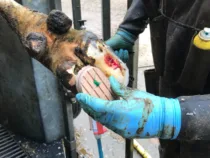
This publication is the second in a series of three Dairy Insight publications exploring lameness in dairy cows. A case of lameness has a significant impact on the wellbeing and the productivity of the cow. Pain causes them to lie down for longer, feeds more infrequently and has reduced oestrus signals. Lame cows are lame because it is painful. This is an important welfare consideration, and it is critical that the lame cow is treated promptly and appropriately once she has been identified.
-
Dairy Insight
Lameness Part 1: Identification
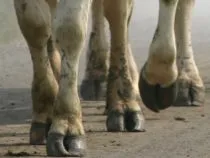
This publication is the first in a series of three Dairy Insight publications exploring lameness in dairy cows. Lameness in dairy herds remains one of the biggest health costs, with the implications of a case of lameness reaching far beyond the costs of treatment, time and reduced yield. The estimated cost per average herd is £11,057.



Find out how Kingshay can help you and your farming business.
Kingshay have been supporting farmers and providing clarity to farming businesses and the wider industry since 1991.