

Publications
Our publications provide up-to-date knowledge and practical solutions to everyday challenges to meet the needs of the modern dairy farmer.
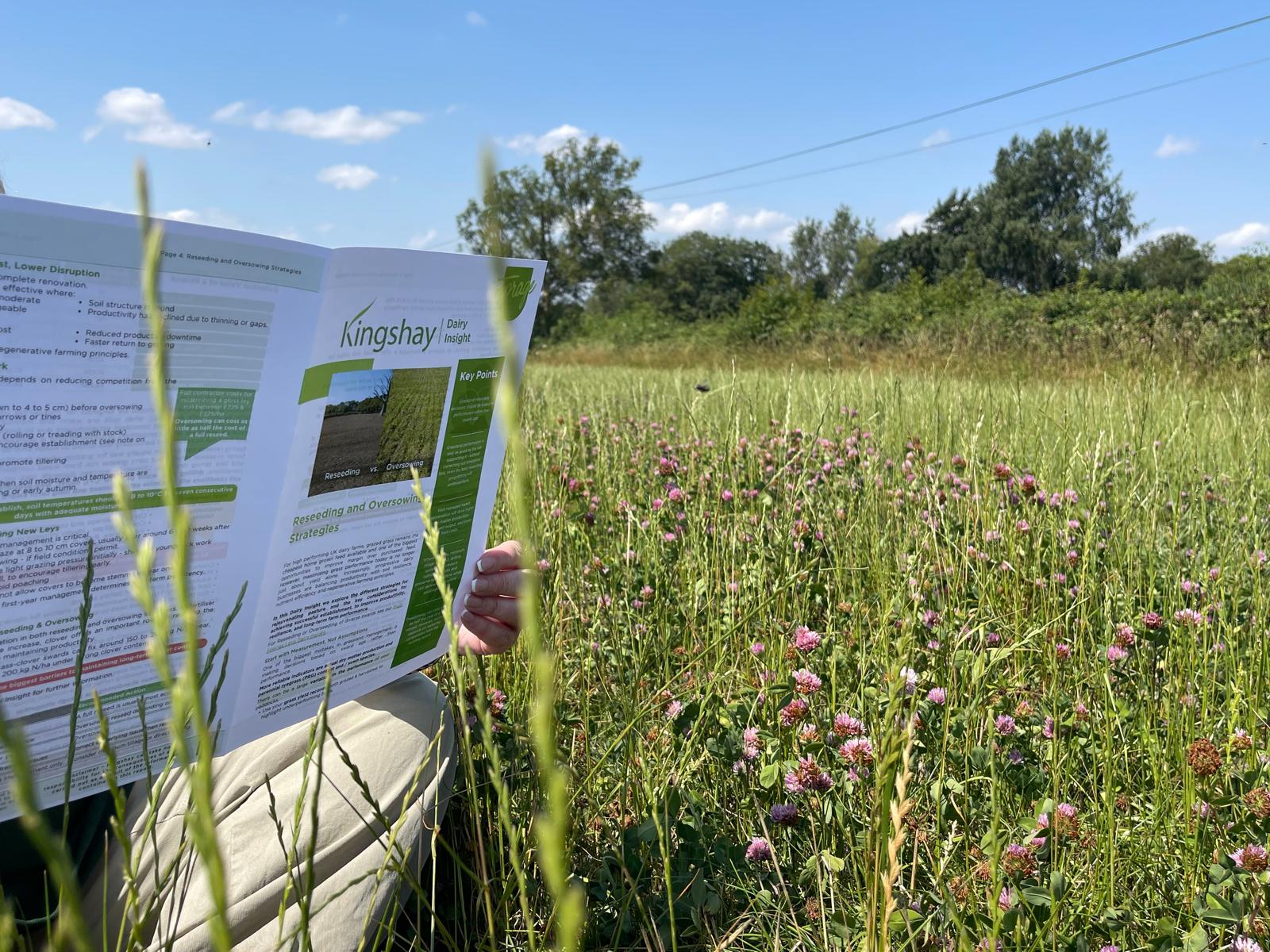
Kingshay Dairy Insight Publications
Stay one step ahead with Kingshay’s trusted Insight publications. Practical, expert-led briefings designed for modern dairy farming businesses. Produced since 1991, our concise, easy-to-digest updates deliver the knowledge you need to improve performance, strengthen your business, and support your whole farm team.
Our Insight publications cover all key areas of dairy farming, bringing together technical, research and business information, into clear, actionable advice you can use on farm. Alongside this, our monthly checklist provides timely reminders of essential tasks and highlights important policy changes, helping you stay organised and in control throughout the year.
Written and regularly updated by our specialists, each publication delivers clear, relevant advice in a simple format – ideal for farmers, family members, staff, vets and consultants alike.
A selection of our publications are available to purchase individually here online. To unlock the full library of publications and stay consistently informed, join our community, become a Kingshay member today.

Sign in to download the publications included with your membership, or to purchase a copy.
-

Dairy Insight
Vitamin Requirements for Dairy Cows
There are several vitamins which are essential for dairy cows. The requirements vary according to the stage of lactation and, because cattle do not synthesise these vitamins in sufficient quantities, we must ensure that the ration provides them; this often means that supplementation will be necessary.
-
Dairy Insight
Is Maize Still Right for You?
Maize can be a very valuable and productive crop, however, are you creating unnecessary environmental risks at maize harvest or consistently not hitting yield targets? If so, it's time to make some changes. Take the time to review and improve your growing strategy or question whether alternative crops may be better suited to your farm.
-
Dairy Insight
Milk from Forage Part 5
Producing good quality forage is key to the profitability of livestock production systems. Preserving forage for later use is expensive and losses can occur at every stage, from field to the time that it is fed. Some are unavoidable, whist others can be reduced by good management. Minimising the losses in nutritional value through good silage making practice will not only save money and produce cheaper milk but also help to maintain the health of your livestock. This is the fifth publication in the 'Milk from Forage' Dairy Insight series, focusing on producing the highest quality grass silage.
-
Dairy Insight
Re-frame your Thinking Dairy Insight
It can be all too easy to get dragged down by the negativity surrounding political changes, tight margins and consumer demands, but there are still so many things to be positive about as a farmer. As we enter a new year, now is the ideal time to sit down and reflect on what you are in control of and think about how you can shape your business to meet your personal and business objectives.
-
Dairy Insight
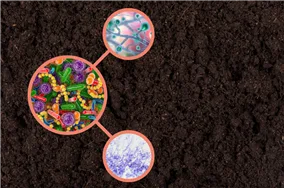
The Soil Microbiome Dairy Insight
With an estimated 4,000 to 50,000 species of micro-organisms per gram, soils are considered to be one of the most diverse habitats on earth.
-
Dairy Insight
Cows Leaving the Herd
Data shows the proportion of cows being 'selected' to leave the herd is increasing, compared to 'forced' leavers, highlighting improvements in health and fertility. However, there is still huge scope to reduce the risk of cows exiting the herd early, particularly considering half of cows leaving do so within their first 3 lactations. Ultimately, cows with longer, productive lives spread herd depreciation over more lactations. This also lowers replacement rates and costs, whilst also reducing carbon footprint.
-
Dairy Insight
Liming Workbook
This workbook brings together the technical concepts introduced in the following insight publications: • Boost Your Soil's Power: Understanding Cation Exchange Capacity. • Beyond pH: The Role of Base Saturation in Soil Health Cation Exchange • Soil pH and Liming – it's not all about Calcium! and provides a practical guide to choosing the right liming product and applying it at the correct rate for your soil.
-
Dairy Insight
Integrated Pest Management For Grassland
Integrated pest management (IPM) uses a variety of pest management techniques in a coordinated and planned strategy for the prevention, detection and control of pests, weeds, and diseases. IPM has long been associated with crop production and crop pests. However, IPM can also be applied within livestock enterprises through controlling crop pests on forage crops and controlling livestock pests and diseases. This Dairy Insight explores the control of pests on forage crops in an environmentally responsible and economically viable way.
-
Dairy Insight
Broad Spectrum Soil Analysis
Recognising the connection between soil, crops, and animals is essential for achieving successful and sustainable agriculture. This Dairy Insight explores the parameters of the Broad Spectrum Soil Health Analysis and provides information on interpreting the results of this analysis.
-
Dairy Insight
Fertility Key Performance Indicators
Healthy, fertile cows are the cornerstone to any efficient, productive dairy business. As such, fertility key performance indicators (KPIs) are an essential tool to track herd performance, identify areas for improvement and inform actions. This Dairy Insight explores the costs of infertility and offers some suggested KPIs for both all year round and block calving herds.
-
Dairy Insight
Milk from Forage Part 4
When evaluating milk production from forage for housed cows, several cow-related factors come into play. Understanding these factors is crucial for optimising forage-based feeding strategies, improving milk yields, and ensuring sustainable dairy farming practices in housed systems or during the housing period. This Dairy Insight is the fourth in the series of publications exploring milk from forage. It is dedicated to the cow aspects of maximising milk from forage whilst housed.
-
Dairy Insight
Soil pH and Liming
The pH status of a soil plays a hugely important role with plant growth and the nutrient content of the plant. Incorrect pH will affect the availability of soil nutrients. This can result in lower crop or forage yield, poorer quality forage and potentially reduced intakes, leading to increased feed costs. This Dairy Insight explores soil pH and the factors that influence it. It aims to challenge current practices and offer new perspectives on achieving optimal nutrient levels in grassland soils.



Find out how Kingshay can help you and your farming business.
Kingshay have been supporting farmers and providing clarity to farming businesses and the wider industry since 1991.