
Publications
Our publications provide up-to-date knowledge and practical solutions to everyday challenges to meet the needs of the modern dairy farmer.
Kingshay Dairy Insight Publications
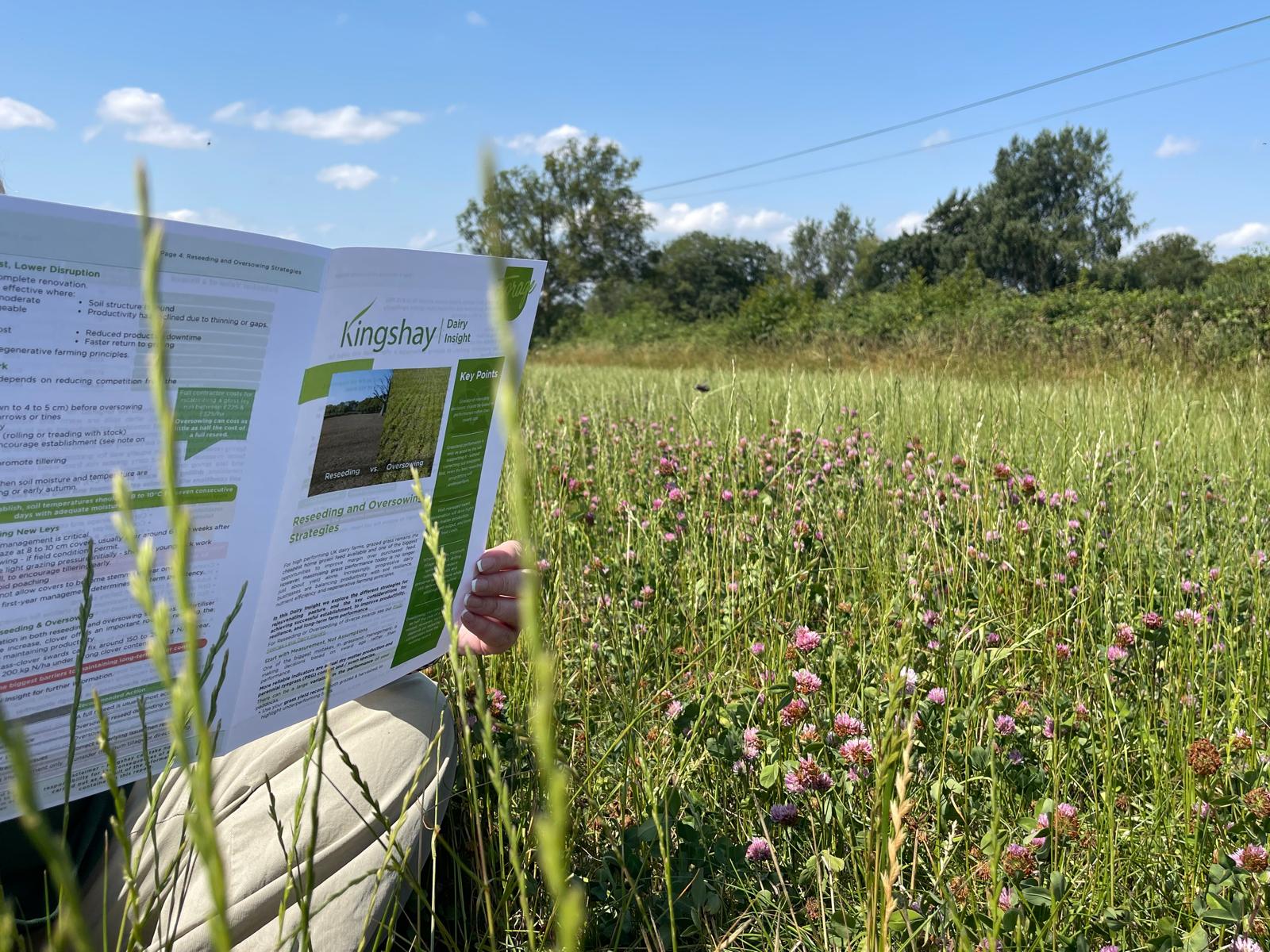
Stay one step ahead with Kingshay’s trusted Insight publications. Practical, expert-led briefings designed for modern dairy farming businesses. Produced since 1991, our concise, easy-to-digest updates deliver the knowledge you need to improve performance, strengthen your business, and support your whole farm team.
Our Insight publications cover all key areas of dairy farming, bringing together technical, research and business information, into clear, actionable advice you can use on farm. Alongside this, our monthly checklist provides timely reminders of essential tasks and highlights important policy changes, helping you stay organised and in control throughout the year.
Written and regularly updated by our specialists, each publication delivers clear, relevant advice in a simple format – ideal for farmers, family members, staff, vets and consultants alike.
A selection of our publications are available to purchase individually here online. To unlock the full library of publications and stay consistently informed, join our community, become a Kingshay member today.

Sign in to download the publications included with your membership, or to purchase a copy.
-

Dairy Insight
Keeping Bacteria Out of MIlk
This issue of DAIRY insight looks at the importance of keeping bacteria out of milk, from a farm, processor and consumer point of view. It examines the main causes of high bactoscans and provides solutions to issues seen on farm.
-
Dairy Insight
NSAIDs for Pain Management in Cattle
Prompt recognition and treatment of disease are essential to reduce pain in cattle and promote cow welfare. Non-Steroidal Anti-Inflammatory drugs (NSAIDs) are an important component in helping manage pain, inflammation and disease. This DAIRY insight publication will look at how NSAIDs can form part of a treatment regime in cattle.
-
Dairy Insight
Successful Transition to the Winter Diet
Making sure cows are moved onto the correct winter ration will not only ensure milk production and cow health is maintained, but that the farm's grazing covers are closed correctly to allow adequate grass the following spring. This insight publication will highlight the key considerations for transitioning cows onto a winter diet.
-
Dairy Insight
Successful Interviewing Technique
Employing the wrong person can be costly to a business, not only financially but to the team as a whole. Therefore, the interviewing process is incredibly important, but how can you make sure you get the best candidate for your farm? This dairy insight publication explores best practice around the interview process. Issued August 2019. […]
-
Dairy Insight
Compact Feeding
Compact feeding is a popular concept in Denmark and one that is growing in popularity in the UK. It was developed by Danish professor, Niels Bastian Kristensen. The principal of compact feeding is soaking and mixing concentrates, then adding forage and mixing again – creating a consistency similar to porridge. This DAIRY insight publication looks at the process of compact feeding and examines the advantages and possible pitfalls
-
Dairy Insight
Teat Necrosis
Reports of Bovine Ischemic Teat Necrosis (ITN) – which causes cattle to excessively lick and remove their teats – are on the up. The condition was first officially identified in UK herds in 2004, with anecdotal evidence suggesting around half of UK dairy farmers have seen at least one case in their herd. With first […]
-
Dairy Insight
Milk Urea
Milk urea levels are a useful means of assessing ration balance, with fluctuations typically highlighting a shift in the balance between rumen degradable protein and energy. Elevated milk ureas suggest protein is not being utilised effectively by the cow. This not only has dietary and environmental cost implications but could also negatively impact on fertility. This insight publication looks at how urea is produced, discusses target levels and how to manage urea levels.
-
Dairy Insight
Maize Eyespot
The amount of maize grown in the UK has increased significantly over the last decade, due to both the three-crop rule and an increasing use of maize in anaerobic digesters. As this area expands, the disease risk increases as pathogens become more prevalent, evolving and adapting to UK conditions. There are 5 main diseases: Fusarium, Northern Corn Leaf Blight, Common Rust, Smut and Eyespot. These diseases can potentially impact maize silage yields and quality of feed. Early detection and treatment are therefore essential.
-
Dairy Insight
Mechanical Ventilation
Good building ventilation is vital to remove the huge amounts of heat and moisture produced by cows every day. Failure to get it right can lead to heat stress and higher levels of disease due to the build-up of pathogens. Where every step has been taken to improve shed ventilation naturally, the use of mechanical ventilation can help cool cows and improve ventilation.
-
Dairy Insight
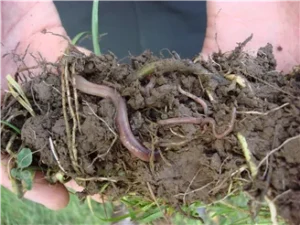
Improving Soil Biology
In the busy day to day running of a dairy farm, it is all too easy to focus attention on the things that you can see and overlook what you can't see. Soil health is one such area. So, what can you do to make sure your soil and therefore your crops and forage, are […]
-
Report
Hoof Block Report
Many publications focus on the identification and prevention of lameness and much less emphasis has been given to the practical treatment of the animal once it has been identified as lame. Hoof blocks are routinely used as part of the treatment regime. In recent years, more hoof blocks and shoes have become available with innovative […]
-
Dairy Insight
Fly Control in Cattle
As the days start to get longer, it is time once again to turn our attention to fly control. The main months of fly activity in the UK are May to August, but as we all know the seasons in this country can be very variable and so it is worth being prepared to treat […]


Find out how Kingshay can help you and your farming business.
Kingshay have been supporting farmers and providing clarity to farming businesses and the wider industry since 1991.