
Publications
Our publications provide up-to-date knowledge and practical solutions to everyday challenges to meet the needs of the modern dairy farmer.
Kingshay Dairy Insight Publications
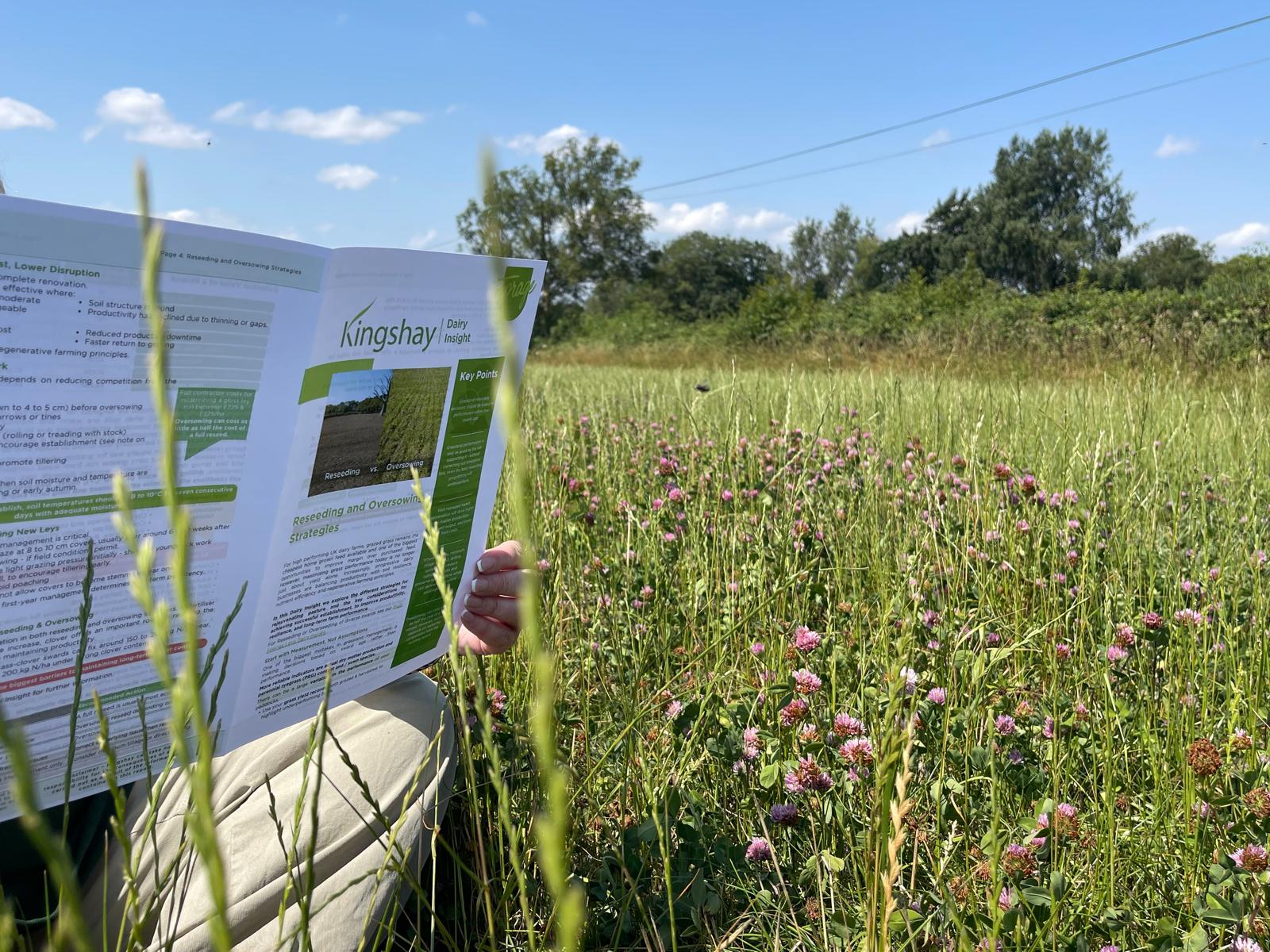
Stay one step ahead with Kingshay’s trusted Insight publications. Practical, expert-led briefings designed for modern dairy farming businesses. Produced since 1991, our concise, easy-to-digest updates deliver the knowledge you need to improve performance, strengthen your business, and support your whole farm team.
Our Insight publications cover all key areas of dairy farming, bringing together technical, research and business information, into clear, actionable advice you can use on farm. Alongside this, our monthly checklist provides timely reminders of essential tasks and highlights important policy changes, helping you stay organised and in control throughout the year.
Written and regularly updated by our specialists, each publication delivers clear, relevant advice in a simple format – ideal for farmers, family members, staff, vets and consultants alike.
A selection of our publications are available to purchase individually here online. To unlock the full library of publications and stay consistently informed, join our community, become a Kingshay member today.

Sign in to download the publications included with your membership, or to purchase a copy.
-

Dairy Insight
Antibiotic Update
Antibiotics (AB) have played a major role in the health and welfare of cattle; they are vital for the treatment and control of bacterial infections. The increasing emergence of antimicrobial resistance in human medicine led the World Health Organisation (WHO) in 2014 to categorise antimicrobials used in human health as 'critically important', 'highly important' and 'important'. Whilst the use of antibiotics in farm animals has continued to fall (use has dropped by over 50% since 2014), they have persisted to come under heightened scrutiny. This DAIRY insight looks at the changes in AB usage since the introduction of the RUMA targets in 2017, summarises the new EMA categories and reviews the new RUMA targets for dairy.
-
Dairy Insight
Regenerative Farming
In recent years, the term Regenerative Farming has become more widespread in its use. This interest has not only been within the industry, but regenerative agriculture has also received attention from consumers, mainstream media and even politicians, particularly around the possibilities for positive impact on climate change. As such, it should not be ignored. In this DAIRY insight we look at what regenerative farming is, and what practices can be adopted on-farm for a sustainable profitable future.
-
Dairy Insight
Cutting Soya Bean & Palm Kernel Out of the Diet
Environmental concerns surrounding the production of soya bean and palm means their use in dairy cow diets is becoming increasingly unacceptable. Some supermarkets have already banned their milk suppliers from feeding them; a trend that looks set to continue. Growing pressure to reduce dairy farming's carbon footprint also makes these products even less attractive. As such, as an industry, we must look at alternative feed options. This DAIRY insight explores how soya and palm are used in the industry and what the available alternatives are.
-
Dairy Insight
Maximising Cow Flow at Milking
Achieving good, natural cow flow in and out of the parlour will reduce frustrations in the pit and minimise cow stress. Less requirement to push cows in for milking will also reduce pressure on the feet and help foot health. The key is to ensure every aspect of management and cow environment is set up to make the most of the cow's natural behaviour. This DAIRY insight explores practical changes that you can make on your farm to improve cow flow at milking time.
-
Dairy Insight
Liver Fluke
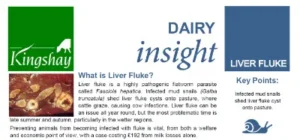
Liver fluke is a highly pathogenic flatworm parasite called Fasciola hepatica. Infected mud snails (Galba truncatula) shed liver fluke cysts onto pasture, where cattle graze, causing cow infections. Liver fluke can be an issue all year round, but the most problematic time is late summer and autumn, particularly in the wetter regions. Preventing animals from becoming infected with fluke is vital, from both a welfare and economic point of view, with a case costing £192 from milk losses alone. This DAIRY insight explores diagnoses, treatment, and prevention of liver fluke in dairy cows.
-
Dairy Insight
Succession Planning Without a Successor
Navigating succession can be difficult and even more so if you do not have anyone to take over the business. When it comes to farmers without an immediate successor, few options exist – the farm can be sold, let as a farm or letting land on cropping or grazing licences. However, many producers still want to play an active part in the farm whilst taking a step back. So, what options are there? Two routes in particular are becoming increasingly common: Contract farming and share farming. This DAIRY insight publication explores the options and how it may work for you and your business.
-
Dairy Insight
Motivating and Rewarding Staff
Labour is often one of the biggest sources of complaint on dairy farms. However, having a motivated team that works hard to achieve high levels of business performance ultimately comes down to making them feel valued and empowered. That means listening to their individual motivators, investing in their skills and creating a positive working environment. Do that, and people will work hard and stay working for you. It will also set you apart as a good employer and attract the right people in the future. This DAIRY insight looks at the opportunities to empower and motivate staff on your farm and explores different ways to reward good performance.
-
Dairy Insight
Bimodal Milking
Farmers aim for a quick efficient milking. But can milking be done too quickly? This DAIRY insight explores the concept of bimodal milking and what practical actions you and your staff can take on farm to reduce it, whilst speeding up the milking process. This insight includes a case study into changing milking routine to reduce bimodal milking.
-
Dairy Insight
The Role of Fat Supplements for Dairy Cows
Dietary fats have been subject to intense dairy cattle research over the last 30 years, leading to increasing evidence that demonstrates that fatty acids can have both positive and negative effects on production and animal welfare. This DAIRY insight on 'The Role of Fat Supplements for Dairy Cattle' explores these issues. For example, some positives show that fatty acids can improve yields, BCS and fertility. But farmers need to aware that adding a 39MJ/ME/Kg DM fat supplement might look good on the computer screen, but often disappoints. One reason is that not all that energy is available to the cow as saturated fat are less digestible than unsaturated fat. This insight also discusses the make up of fats, the digestion of fats and the relationship between fat and milk production. Issued August 2020
-
Dairy Insight
Improving your Farm Profile – Website Design & Social Media
In twenty-century Britain, all professional businesses are expected to have a web presence and farming should be no exception. Creating a website can help with the recruitment process on the farm by attracting staff, but also spread positive messages about farming. Online platforms like WordPress can be used when designing a website yourself, but it's worth using a website designer to help with technical aspects of web design and upkeep. Social media is another great way to spread positive messages about dairy farming but remember when using photos on social media and on websites, think about the context and consumer perception behind the photos. This BUSINESS insight explores how you can improve your farm profile by having a suitable online presence.
-
Dairy Insight
Protein Efficiency in Dairy Cows
As environmental awareness is coming more prominent and rules and regulations are being created for farmers to reduce their environmental impact, lowering concentration of protein fed to cattle is worth considering to decrease environmental impact, but also increase protein efficiency in dairy cows. 75% of all nitrogen consumed by cattle is excreted as urine or faeces and responsible for environmental damage from production of ammonia gases and nitrous oxide. Soya also creates another issue, soya being a key protein source for dairy cattle but being linked to deforestation of rain forest, suggest another reason to reduce protein concentration. This DAIRY insight publication explores how low can you go in protein concentration, discusses the new NRC recommendations set to come out later this year, as well as looking into how microbial proteins provide the most balanced form of amino acids for a dairy cow.
-
Dairy Insight
Reducing Nitrogen Losses; On-Farm Solutions
This is the second in the 2-part series of publications covering Nitrogen. In this publication we look at the on-farm solutions to reduce nitrogen losses. The first publication provides an introduction to the Nitrogen Cycle and where nitrogen is lost in the system. The agricultural industry will shortly be operating under a new regulatory framework focusing on producing clean air, water, lower carbon emissions, as well as supplying food to feed the nation. Nitrogen helps greatly to feed the nation, but its effect on air and water quality can be negative and difficult to manage. Applying too much or the wrong type of fertiliser can lead to an increase of Nitrogen losses through Ammonia (NH3) volatilization, nitrate (NO3?) leaching and nitrous oxide (N2O) emissions from soil.




Find out how Kingshay can help you and your farming business.
Kingshay have been supporting farmers and providing clarity to farming businesses and the wider industry since 1991.