


Knowledgebase
Kingshay's Knowledgebase - Forage
The pH status of a soil plays a hugely important role with plant growth and the nutrient content of the plant. Incorrect pH will affect the availability of soil nutrients...
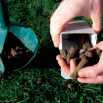
Soils are arguably the most valuable resource on farm – but often taken for granted. Without healthy soils farming is neither profitable nor sustainable. Healthy soils ...
This Soil Carbon Report, ‘Soil – completing the carbon jigsaw’ combines the key findings from the Kingshay Soil Organic Carbon Project, alongside other research and...
This insight publication is one in a series of three worming publications: Understanding Anthelmintics and Youngstock Worms, that together provide a comprehensive guide f...
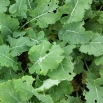
Bulbing turnips, leafy turnips, forage rape, rape/kale hybrids – which brassica should you grow for your summer catch crop?
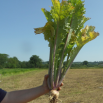
Kingshay grew five turnip varieties in a preferential grazing trial in the summer of 2014, to determine Which varieties gave the highest yields of dry matter, energy ...
This year’s Kingshay Maize Variety Report emphasises the importance of choosing the right variety to reduce risk and exploit the potential of this valuable crop. Wit...
This is the fifth in a series of DAIRY insight publications covering ‘Net Zero Emissions’, where we aim to outline current and future actions that may help the UK dai...
Last published in 2017, this NEW edition of the Forage Costings Report has been fully updated to provide a detailed insight into the costs of producing forage. Using this...
In this Dairy Insight we explore the role of sulphur for maximising grass yields, for cutting and grazing.
With an estimated 4,000 to 50,000 species of micro-organisms per gram, soils are considered to be one of the most diverse habitats on earth.

This is the first in a series of dairy insight publications covering ‘Net Zero Emissions’. We will attempt to identify the sources of each GHG, how it may be reduced ...