


Knowledgebase
Kingshay's Knowledgebase - Forage
With the rise in feed costs in recent years, utilisation of forages has become increasingly important to reduce volatility and maintain profits. In May 2010, milk fro...
Wastage in silage making is inevitable – but careful management can reduce losses significantly, resulting in considerable cost savings and markedly improved silage qua...
Harvesting grain destined for animal feed when it's moist rather than dry can shorten harvest times in difficult weather conditions and allow for a faster turn around in ...
Herbal leys will improve soil health, boost biodiversity, and increase livestock performance through varied rooting depths and producing high-quality nutritional forage f...
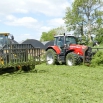
Adopting a multi-cut silage system, which reduces the interval between silage cuts could be one way to help farmers maximise milk from forage - something nearly all respo...
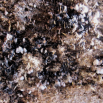
Mycotoxins are a hidden risk in feeds and forages which can lead to milk suppression, suboptimal fertility and health issues. Once present, they are impossible to remove,...
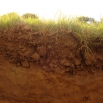
Natural Capital is the buzzword of the moment – but what does it really mean and why is it essential to farmers? This insight publication looks at why natural capital i...
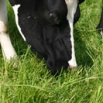
Nitrates in forage can reduce milk yields and cause fertility problems, can turn silage butyric and even cause death in stock. This Farming Note covers: How to ens...

Dramatically reducing nitrogen application rates in an attempt to save costs in light of escalating fertiliser prices could potentially be a false economy compromising fo...
Understanding the value of home produced nutrients and balancing them with bought-in fertiliser as part of a Nutrient Management Plan has never been so important consider...
The costs of ammonium nitrate and urea have more than doubled in the last year, taking prices to over £500 and £600 per tonne respectively. Optimising fertiliser use sh...
.jpg&w=103&h=103&zc=1&a=c&q=100)
Where conditions are not conducive to optimum maize growth, maize yields could be substantially reduced and this may lead to winter forage shortages. Assessing the cro...