


Knowledgebase
Latest from Kingshay's Knowledgebase
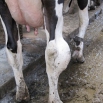
In your herd, are there a high proportion of cows with rubbed necks or briskets? Are cows tail twitching despite there being no flies? Cow signals and behaviour can be...
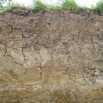
Soil compaction is a major concern for this year's maize drilling campaign. We're all familiar with stunted maize around compacted gateways, but the past two wet seasons ...
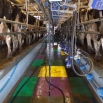
Parlour wall and floor surfaces must be easy to work with and meet the hygiene standards required by dairy inspectors. Choosing the correct material will save you time an...
.jpg&w=103&h=103&zc=1&a=c&q=100)
Homoeopathy offers an alternative approach to managing your herd health. The key to successful homeopathic treatment is a good understanding and belief in the principles....
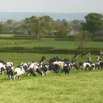
Kingshay's recent Forage Costings Report clearly showed grazed grass to be a very cost effective forage. A good quality grazing sward can produce a litre of milk for abou...
Salmonellosis is a highly contagious disease caused by Salmonella bacteria. It can affect all animal species including humans, with different serotypes of bacteria manife...
IBR is an acute viral disease characterised by inflammation and necrosis of the mucous membranes of the upper respiratory tract which can lead to fatal pneumonia. With th...
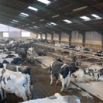
The building design and layout on your farm can have a massive effect on the productivity, health and well-being of your herd. Where facilities are not ideal, cow stress ...
Dirty feed troughs containing spoiled feed will reduce intakes, increase wastage and put animals at risk of disease. Clean troughs can improve daily dry matter intakes by...
Water usage on dairy farms is considerably higher than that associated with other livestock enterprises. A typical 150 cow herd, averaging 7,500 litres of milk uses appro...
An average UK dairy herd with 100 cows loses over £18,000 per year or 3.14ppl due to infertility. It is often difficult on busy farms to take the time to spot cows on he...
As housing and handling of animals is one of the main opportunities for injury to occur on farm, having well designed cow handling facilities in place is strongly reco...